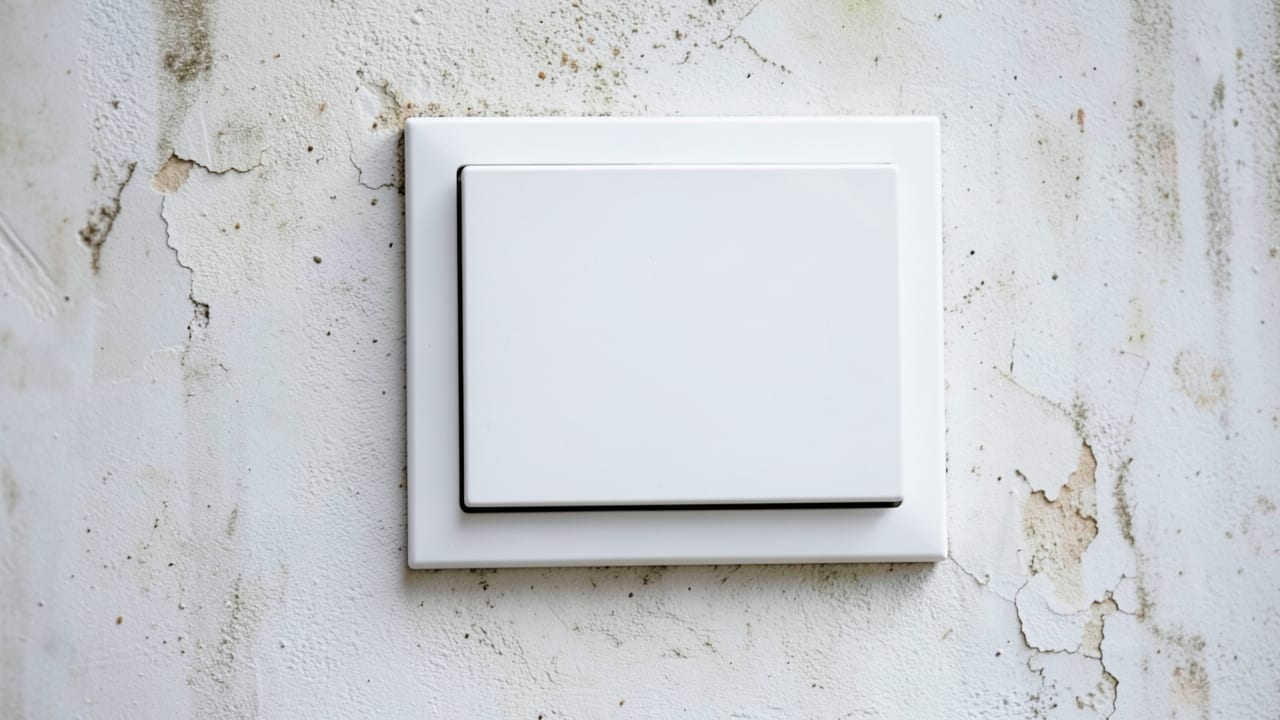
Vent Cover Cleaning
Professional cleaning of vent covers to improve airflow and indoor air quality.
Vent cover cleaning in Manhattan removes dust, debris, and allergens from your HVAC system’s grilles and registers, improving airflow and indoor air quality. Over time, buildup on vent covers restricts circulation, making your system work harder to maintain consistent temperatures.
A thorough cleaning helps restore efficiency and reduces the spread of airborne particles throughout your home.
We also handle Spiral Duct Cleaning and Rectangular Duct Cleaning for Manhattan properties.
Why vent covers get dirty—and when to clean them
Vent covers and registers collect dust, pet hair, and fine debris that restrict airflow, forcing your HVAC system to overwork. In Manhattan’s dense living spaces, where air circulation is critical, neglected vent covers can lead to uneven heating or cooling, higher energy bills, and a buildup of allergens.
Signs your vents need cleaning include visible dust layers on grilles, a musty smell when the system runs, or dust resettling unusually fast after wiping.
The frequency of cleaning depends on household factors like pets, smoking, or nearby construction. While industry recommendations vary widely—from once a year to every five years—the real answer depends on how quickly dust returns after cleaning.
A clogged air filter or gaps in ductwork can accelerate buildup, making routine maintenance just as important as the cleaning itself.
Signs Your Vent Covers Need Cleaning
- A visible layer of dust or debris on vent grilles that reappears quickly after wiping
- Uneven airflow in certain rooms, with cooler or warmer spots than others
- A musty or stale odor that appears only when the HVAC system is running
- Dust settling on furniture within days of cleaning, especially near supply vents
- Increased allergy symptoms or respiratory irritation when the system is on
What affects pricing and how often you’ll need this service
Pricing for vent cover cleaning in Manhattan typically ranges from $30 to $75 per vent, depending on whether it’s a supply or return vent. Return vents are larger and collect more debris, so they cost more to clean.
A whole-house service can vary widely based on the number of vents, the method used (negative-pressure HEPA vacuum vs. shop-vac), and whether the main ductwork is included. Some providers charge per vent, while others offer a flat rate for the entire system.
How often you’ll need this service depends on how quickly dust and debris return. Changing your air filter every 1–3 months, sealing duct gaps, and regularly vacuuming registers can slow buildup.
In homes with pets or high dust levels, cleaning may be needed more frequently—sometimes every 1–2 years—whereas low-traffic areas might stretch it to 3–5 years.
What to watch for after cleaning
After vent cover cleaning, some dust may still escape if registers weren’t properly sealed during the process. A puff of dust when the system first turns on or a quick resettling of dust on surfaces can indicate that debris was only redistributed rather than fully removed.
If this happens, ask your technician to verify that all vents were sealed and that a negative-pressure system was used to capture dislodged material.
Excess moisture or biocide treatments left inside ducts can also cause issues, promoting mold or microbial growth. Always confirm that any treatment used was followed by proper drying. If you notice a musty smell persisting *after* cleaning, it may signal hidden moisture or biological buildup that requires further attention.
A visible layer of dust reappearing within days near a specific vent suggests debris was pushed deeper into the ductwork rather than removed. If this happens, request a camera inspection to check for blockages or improper sealing during the service.
How vent cover cleaning works
A thorough vent cover cleaning involves inspection, mechanical agitation, and HEPA filtration to remove dust and debris from your system.
- 1System Inspection
A camera or mirror inspection checks supply and return ducts for concentrated dust, debris, or biological growth before any cleaning begins. This step helps technicians target areas needing agitation while avoiding unnecessary disruption to cleaner sections.
- 2Register Sealing and Negative-Pressure Setup
Non-working registers are sealed, and a negative-pressure unit is connected to the HVAC system. This ensures dislodged dust is pulled into a HEPA-filtered collection system instead of blowing back into your home.
- 3Mechanical Agitation
Rotary brushes or compressed-air whips are used to loosen and dislodge compacted dust from duct walls. This step is critical for removing deeply embedded buildup that suction alone cannot shift.
- 4HEPA Vacuum Extraction
Dislodged material is pulled through the negative-pressure system into a HEPA-filtered collector, preventing fine particles from re-entering your living space.
- 5Register and Diffuser Cleaning
Each vent cover, grille, and diffuser is removed and cleaned separately, as these surfaces accumulate pet hair and surface dust differently than deeper ductwork.
Frequently asked questions
How do I know if my vent covers need cleaning?
Look for visible dust buildup on grilles, uneven airflow in certain rooms, or a musty smell when the HVAC runs. If dust resettles unusually fast after wiping or allergies worsen when the system is on, cleaning is likely needed.
Will cleaning my vent covers improve my air quality?
Yes, but results depend on how much debris is removed and whether the entire system is properly sealed during cleaning. A negative-pressure HEPA method captures fine particles, while a shop-vac at the vent may only move dust around.
How often should I have my vent covers cleaned?
There’s no one-size-fits-all answer—it depends on household factors like pets, dust levels, and filter changes. Some homes need cleaning every 1–2 years, while others may go 3–5 years. Regular filter changes and sealing duct gaps can extend the time between cleanings.
What’s the difference between vent cover cleaning and full duct cleaning?
Vent cover cleaning focuses on grilles, registers, and accessible diffusers, while full duct cleaning includes the main trunk lines and HVAC unit components. Vent cover cleaning is quicker and less expensive but may not address deeper duct issues.
See Chester, NY for more, or find out about the air duct cleaning work we do around Manhattan by category for our complete lineup.
Ready to get started?
Talk to a local air duct cleaning pro in Manhattan — get a written quote.
Other Air Duct Cleaning Services in Manhattan
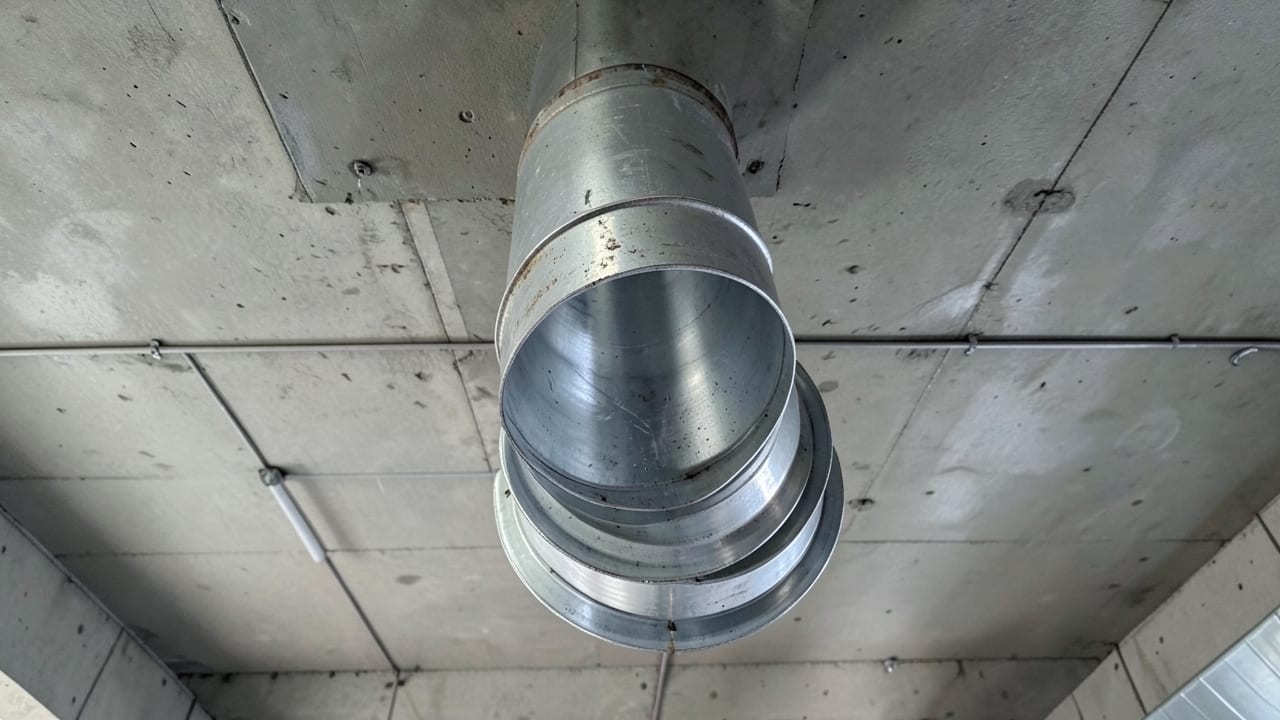
Spiral Duct Cleaning in Manhattan, NY
Professional cleaning of spiral ductwork to remove dust, debris, and contaminants from HVAC systems.
Learn More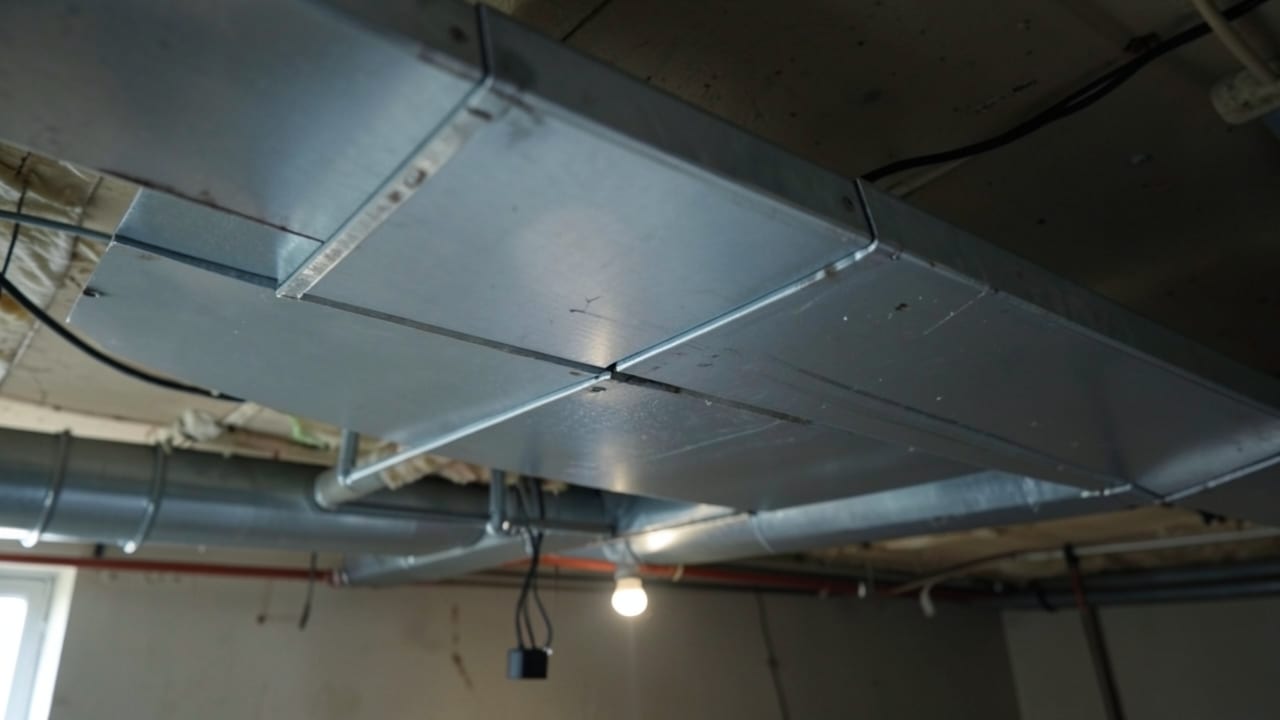
Rectangular Duct Cleaning in Manhattan, NY
Professional cleaning of rectangular HVAC ductwork to remove dust, debris, and contaminants.
Learn More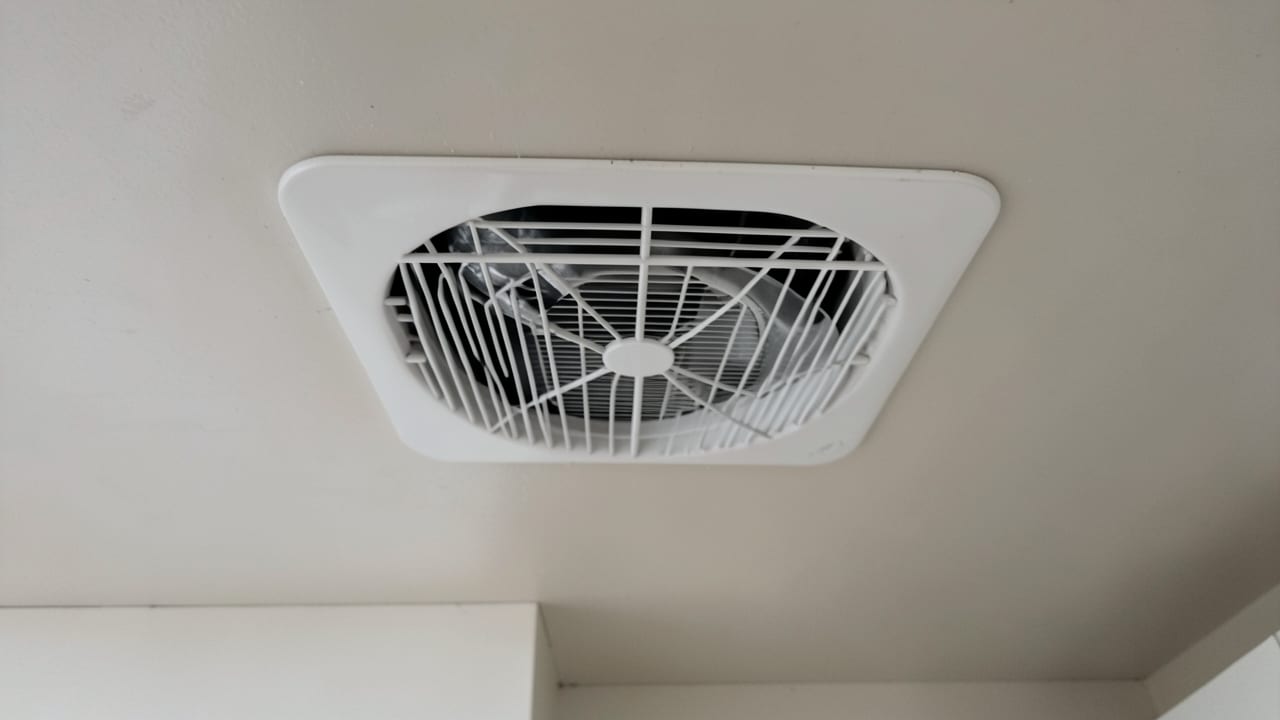
Pantry Vent Cleaning in Manhattan, NY
Professional cleaning of pantry ventilation systems to remove grease, dust, and debris buildup.
Learn More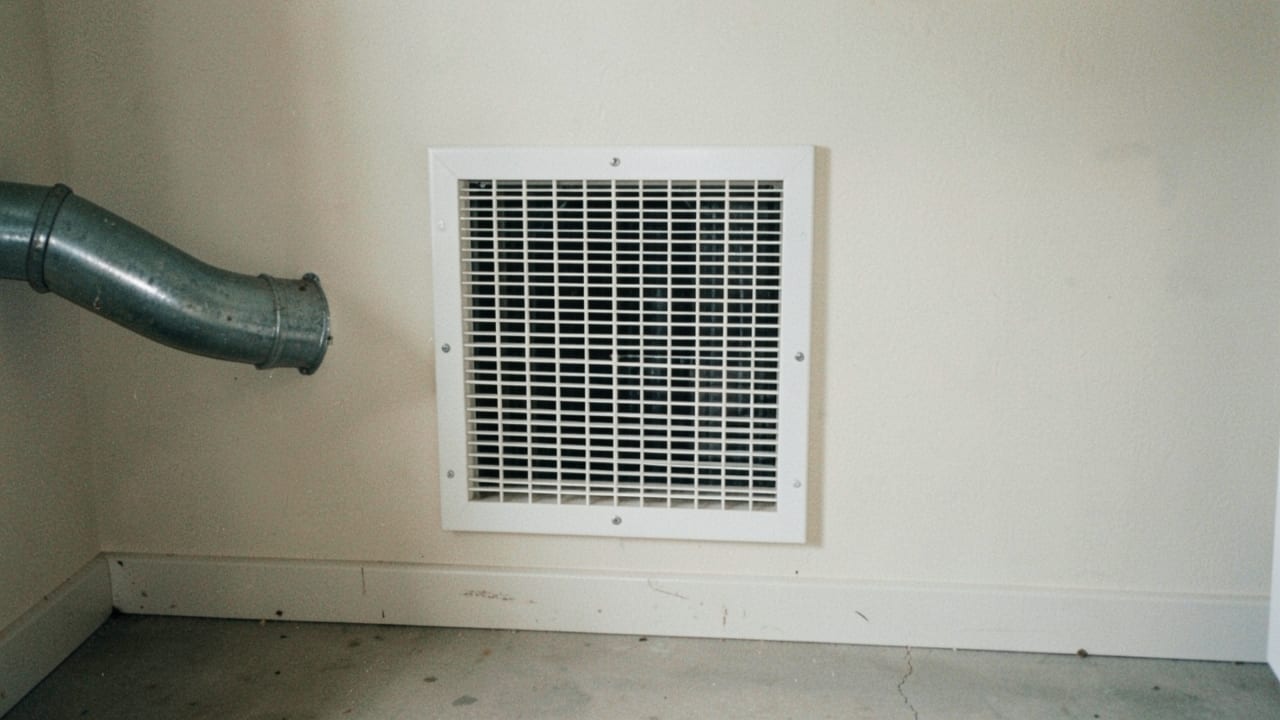
Laundry Room Vent Cleaning in Manhattan, NY
Removal of lint and debris from laundry room vents to improve airflow and safety.
Learn More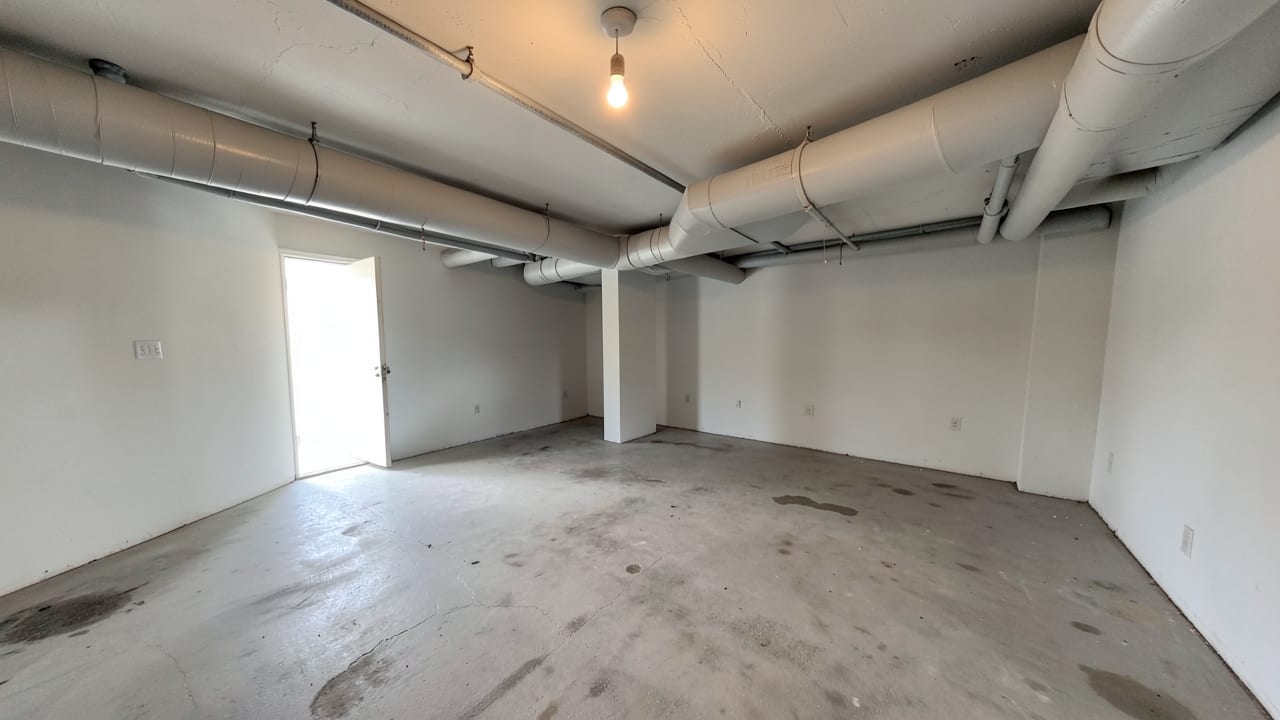
Rental Property Duct Cleaning in Manhattan, NY
Professional cleaning of air ducts and HVAC systems in rental properties to improve air quality.
Learn More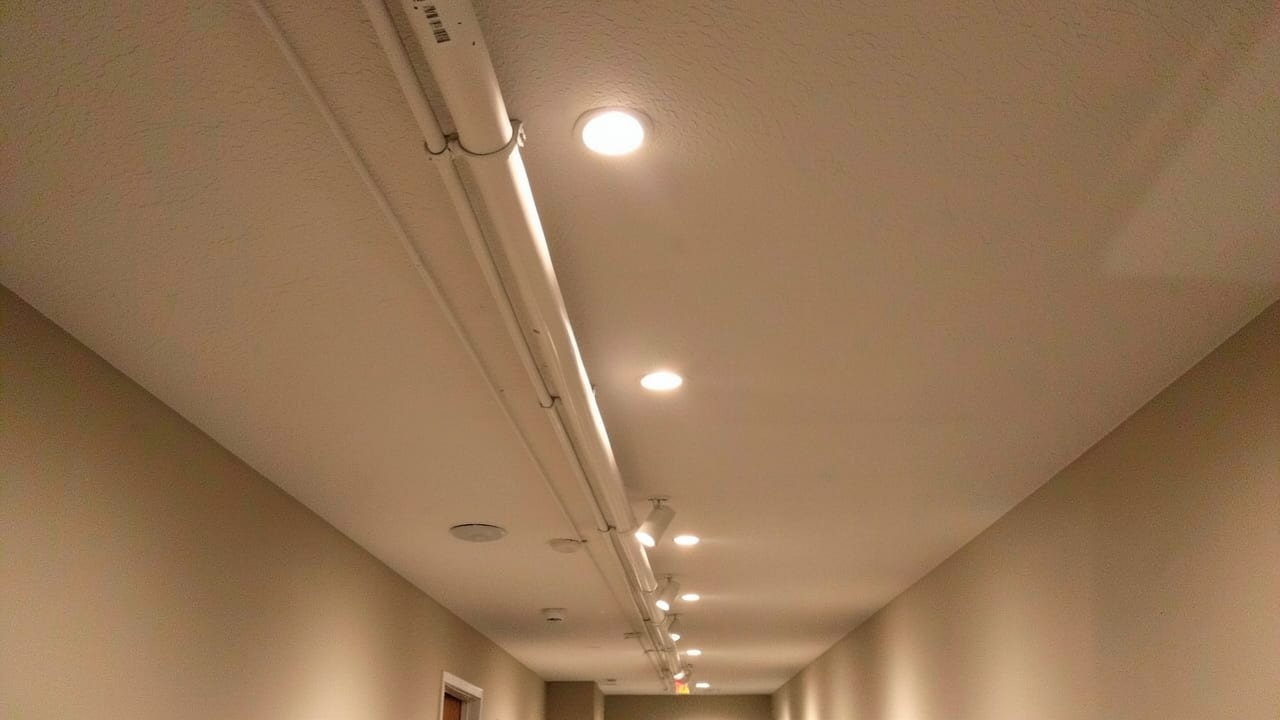
Condo Duct Cleaning in Manhattan, NY
Professional cleaning of condo air ducts and HVAC systems to improve airflow and indoor air quality.
Learn MoreCommon Questions About Air Duct Cleaning in Manhattan
Everything you need to know about air duct cleaning services in Manhattan
How much does Vent Cover Cleaning typically cost in Manhattan, NY?
What local factors get checked before recommending duct cleaning in Manhattan, NY?
Does the cleaning process release dust into the rest of the home?
How long does a typical air duct cleaning appointment take?
Can duct cleaning damage older or fragile ductwork?
Does duct cleaning include the coils and blower compartment, or only the ducts themselves?
Need Air Duct Cleaning in Manhattan?
Get a written quote from our Manhattan crew.
⏰ We answer your call • Serving all of Manhattan and surrounding areas