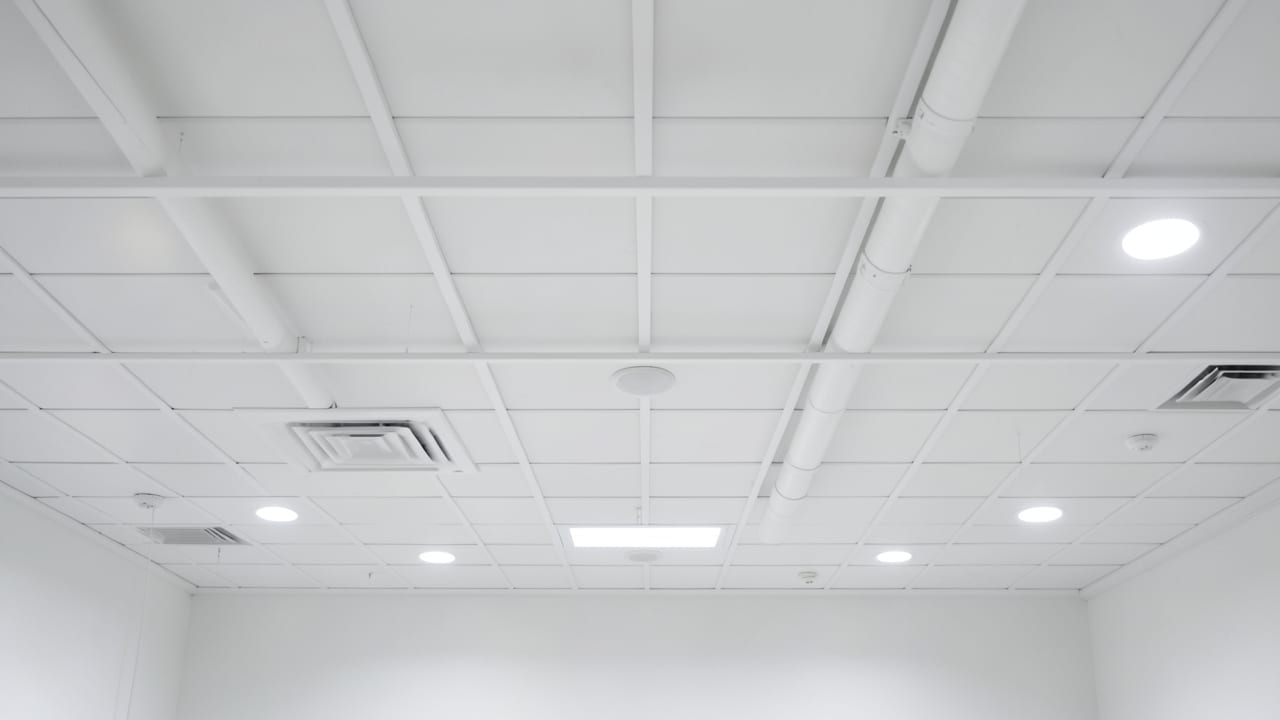
Medical Clinic Duct Cleaning
Professional cleaning of HVAC ducts in medical clinics to improve air quality and system efficiency.
Medical clinic duct cleaning in Manhattan focuses on removing dust, debris, and contaminants from HVAC systems in healthcare settings to ensure clean, safe airflow. This process targets supply and return ducts, coils, and fans, helping maintain a hygienic environment critical for patient and staff health.
Specialized techniques address biological growth and particulate buildup that standard home cleaning may miss.
We also handle Air Filter Replacement and Kitchen Exhaust Hood Cleaning for Manhattan properties.
Why cleaning ducts in medical clinics matters
Ducts in medical clinics accumulate dust, allergens, and microbial contaminants over time, which can circulate through the HVAC system and affect indoor air quality. This buildup may worsen respiratory conditions, trigger allergies, or create an environment prone to microbial growth, especially in high-traffic or high-humidity areas.
Regular duct cleaning helps reduce airborne contaminants, improves airflow efficiency, and extends the lifespan of HVAC equipment. In Manhattan, where older buildings and dense urban environments can exacerbate indoor air quality issues, maintaining clean ducts is particularly important for health and comfort.
Signs Your Clinic’s Ducts Need Cleaning
- A visible puff of dust when the HVAC system first turns on, especially near supply vents.
- Dust resettling on furniture or floors within days of cleaning, particularly near vents.
- A musty or stale odor noticeable only when the system is running, fading once it shuts off.
- Visible buildup or a gray film on register grilles that reappears quickly after cleaning.
- Rooms collecting dust faster than others, suggesting active dust delivery through the vents.
What affects pricing and frequency
Pricing for medical clinic duct cleaning varies based on factors like system size, complexity, and the extent of contamination. Unlike residential systems, commercial or institutional ductwork often includes larger trunk lines, multiple zones, and harder-to-access areas, which can increase costs.
The frequency of cleaning depends on factors like air filter maintenance, household activities (e.g., pets, renovations), and local environmental conditions. For example, changing air filters every 1–3 months reduces dust buildup between cleanings, while sealing duct gaps prevents external debris from entering the system.
Common missteps to avoid
Skipping a camera inspection before cleaning can leave hidden contaminants untouched, while sealing registers improperly may allow dust to escape into living spaces instead of being captured. Overlooking HVAC coils or blower components during cleaning means missing key areas where dust and debris accumulate.
Applying moisture-based treatments without proper drying can create conditions for microbial growth, and aggressive agitation in flexible ducts risks disconnecting loose joints, redirecting airflow into walls or attics.
A disconnected flex duct or unsealed registers can turn a cleaning job into a dust redistribution problem. Always verify airflow after service and inspect for loose connections or visible buildup.
How medical clinic duct cleaning works
This process ensures contaminants are removed safely and efficiently from HVAC systems.
- 1System Inspection
A camera or mirror inspection identifies concentrated dust, debris, or biological growth in supply and return ducts before cleaning begins.
- 2Register Sealing
Non-working registers are sealed, and a negative-pressure unit is connected to pull dislodged dust into a HEPA-filtered collection system instead of releasing it into rooms.
- 3Mechanical Agitation
Rotary brushes or compressed-air whips agitate duct walls to loosen settled dust, which suction alone cannot remove.
- 4HEPA Vacuum Extraction
Dislodged material is captured in a HEPA-filtered unit, preventing fine particulate from re-entering the air.
- 5Airflow Verification
After reassembly, airflow is checked at multiple registers to confirm circulation improvements and rule out dust redistribution.
Frequently asked questions
How do I know if my clinic’s ducts need cleaning?
Look for dust puffs when the system starts, rapid dust resettling near vents, or musty odors that fade when the system turns off. These often indicate active dust delivery from the ducts.
Will cleaning my ducts improve airflow?
Cleaning removes obstructions that restrict airflow, but results depend on the system’s condition. A post-service airflow check confirms whether circulation has improved.
How often should ducts in a medical clinic be cleaned?
There’s no one-size-fits-all answer—it depends on factors like filter maintenance, household activities, and local air quality. Industry guidance ranges from once a year to every five years, but proactive measures like sealing gaps can extend intervals.
Can I clean my ducts myself?
DIY methods like vacuuming vents often miss deeper contaminants and may damage ductwork. Professional cleaning ensures thorough removal of settled dust and biological growth with proper equipment.
See Goshen, NY for more, or check out what we cover for Manhattan properties from start to finish for our complete lineup.
Ready to get started?
Talk to a local air duct cleaning pro in Manhattan — get a written quote.
Other Air Duct Cleaning Services in Manhattan
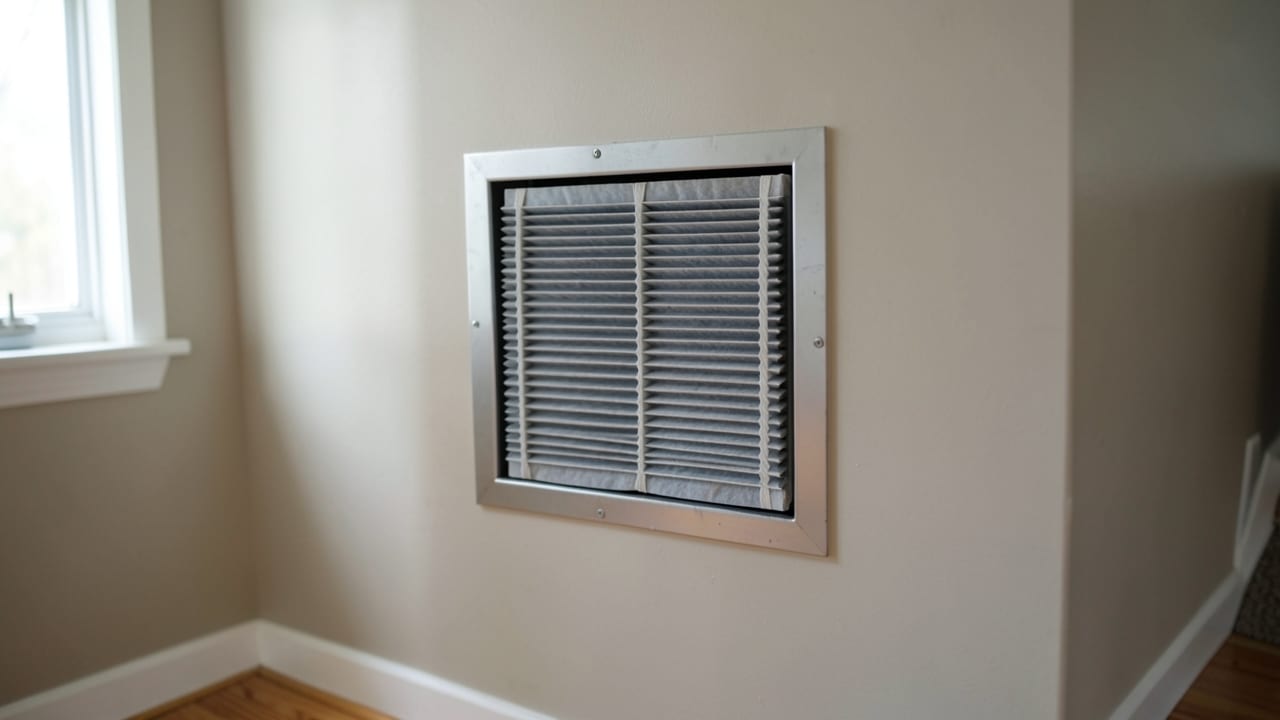
Air Filter Replacement in Manhattan, NY
Air filter replacement and MERV-rating guidance in Manhattan, NY, matched to household needs and system airflow limits.
Learn More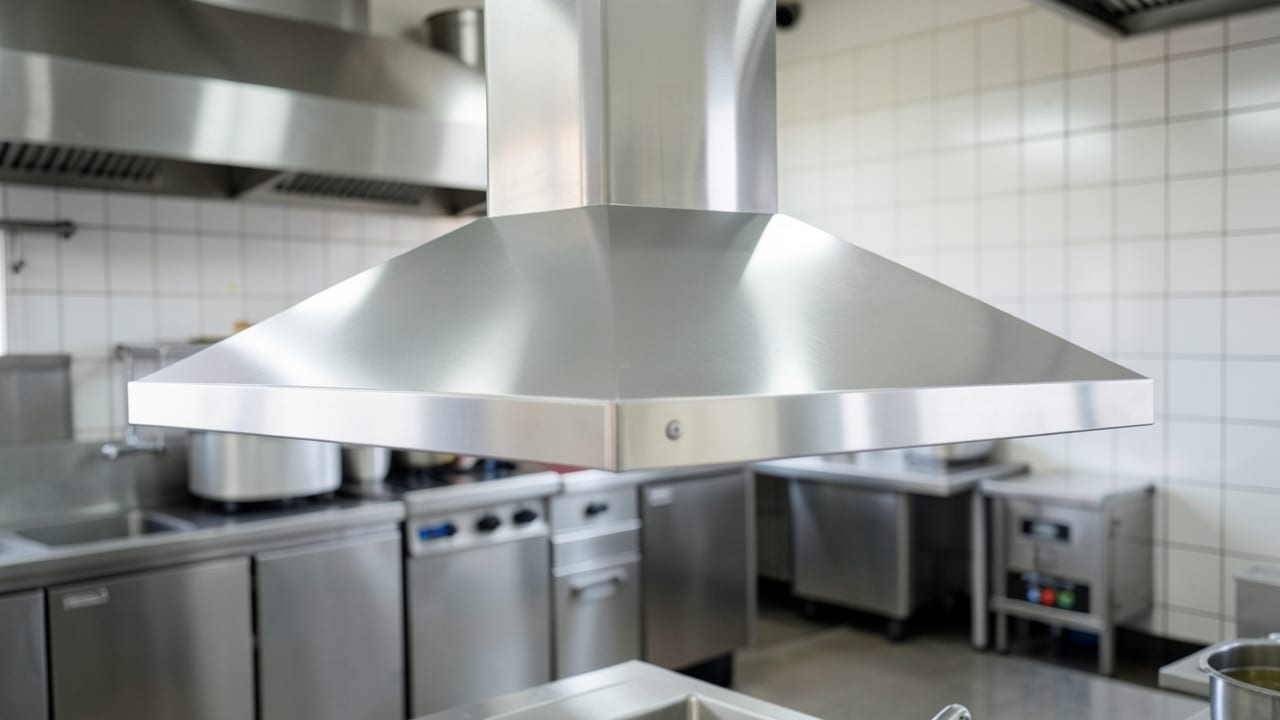
Kitchen Exhaust Hood Cleaning in Manhattan, NY
Commercial and residential kitchen exhaust hood cleaning in Manhattan, NY — removes grease buildup from hoods, filters, and ductwork.
Learn More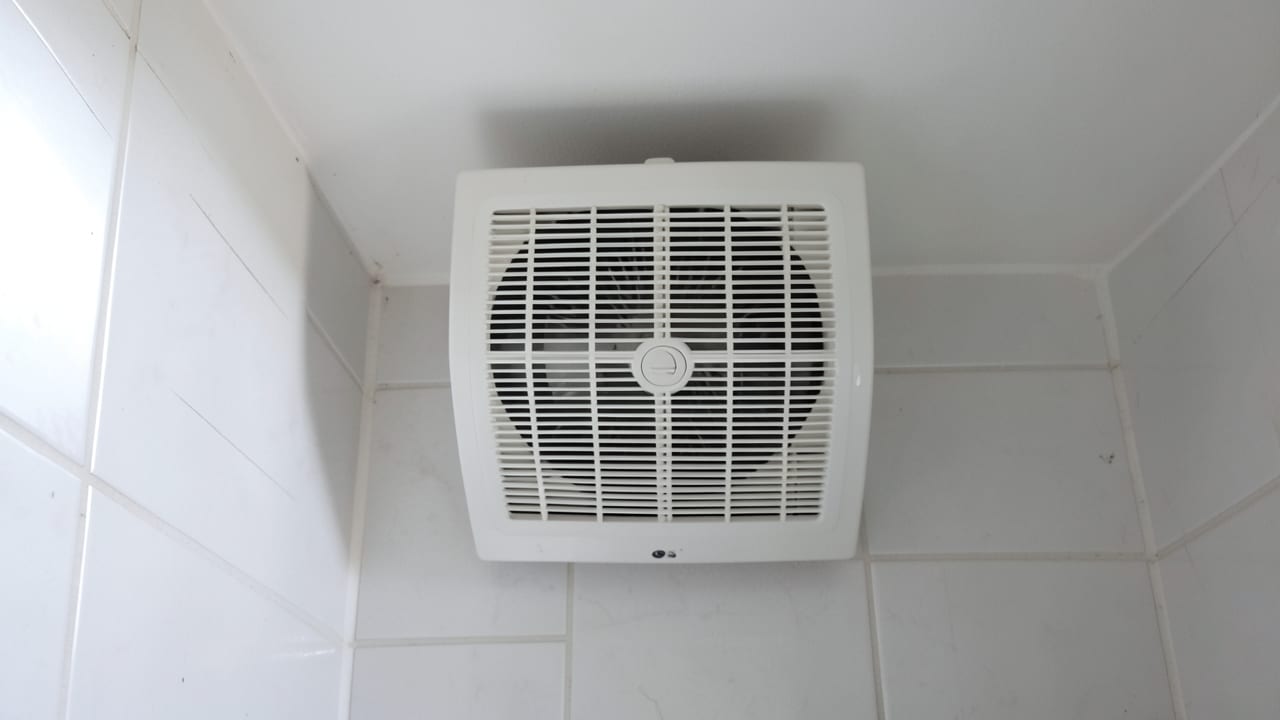
Bathroom Exhaust Fan Cleaning in Manhattan, NY
Bathroom exhaust fan cleaning in Manhattan, NY clears dust and lint from the fan housing and vent run, restoring proper airflow.
Learn More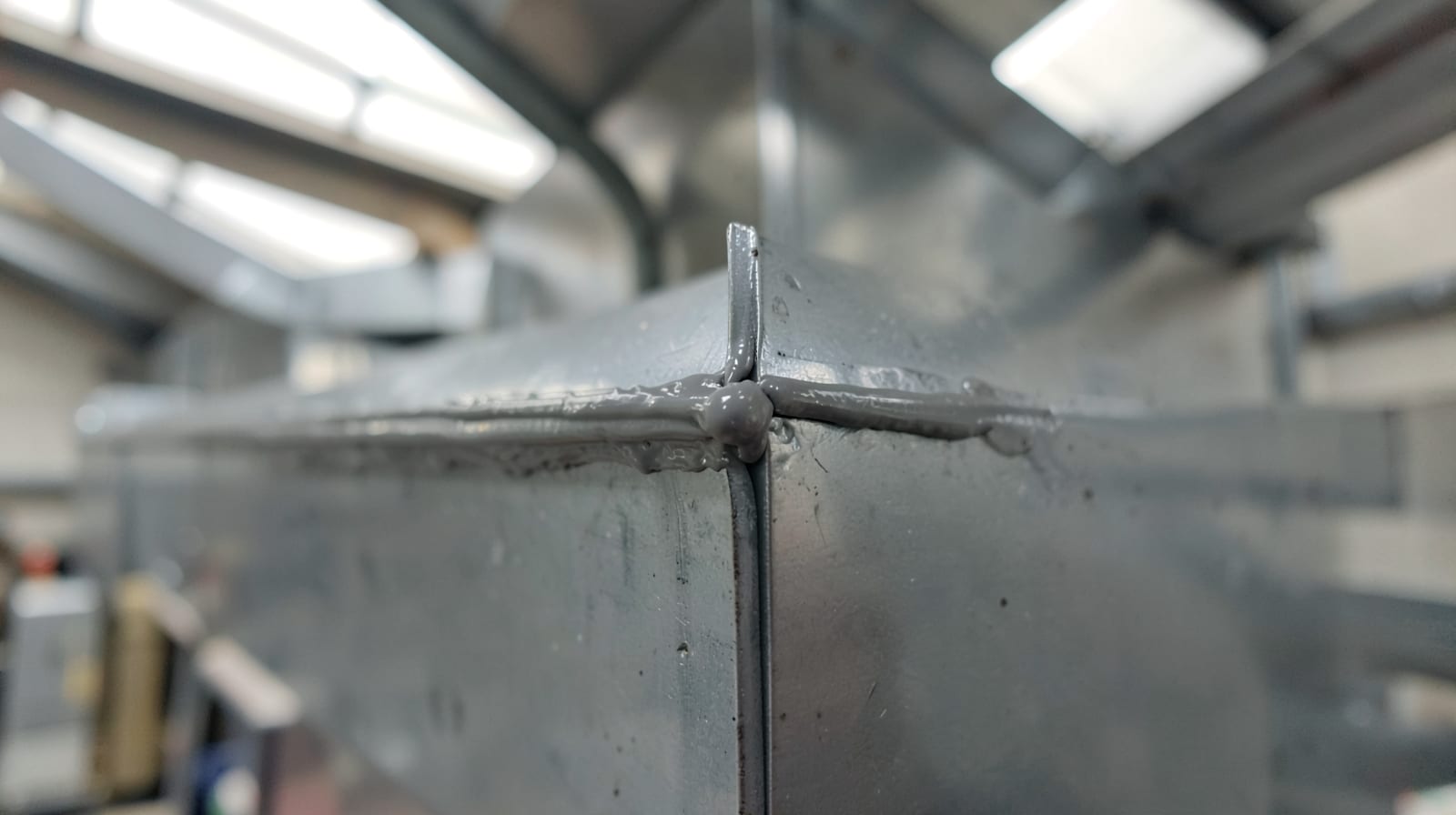
Duct Sealing in Manhattan, NY
Duct sealing in Manhattan, NY closes leaks in supply and return ductwork that waste conditioned air and strain the HVAC system.
Learn More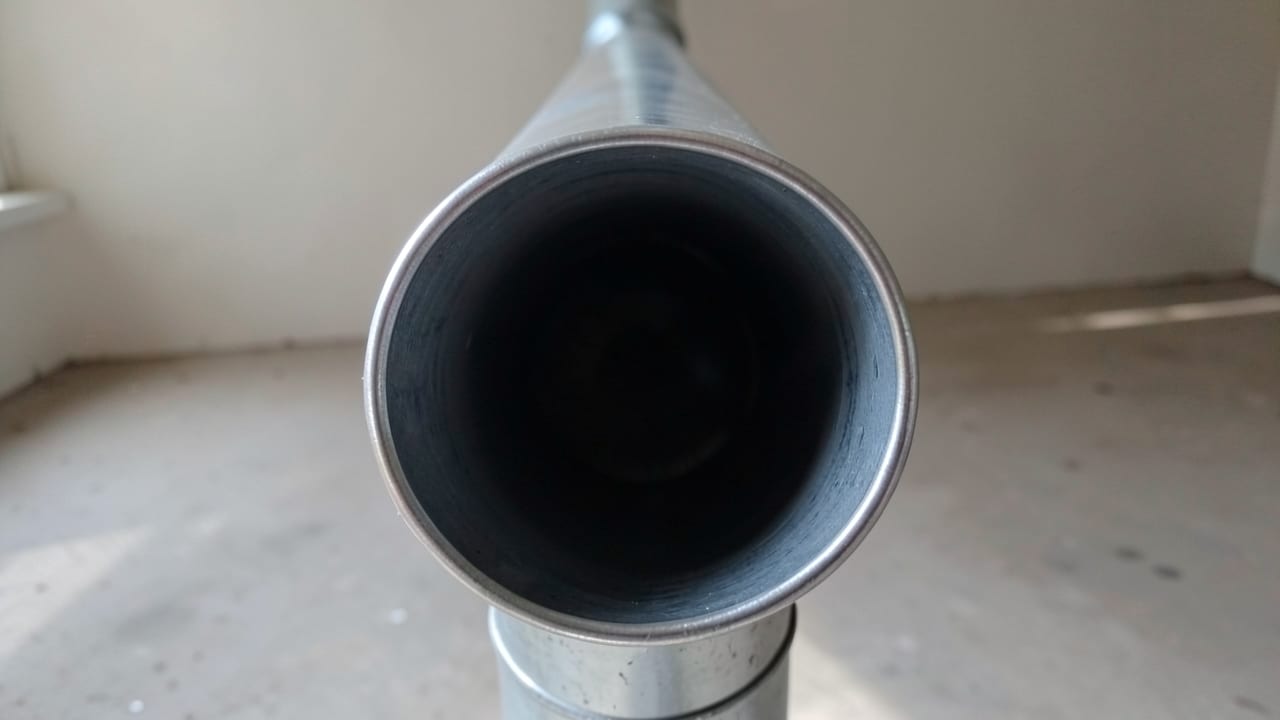
Furnace & Vent Cleaning in Manhattan, NY
Furnace and vent cleaning in Manhattan, NY clears the burner compartment, blower, and venting of dust and combustion byproducts.
Learn More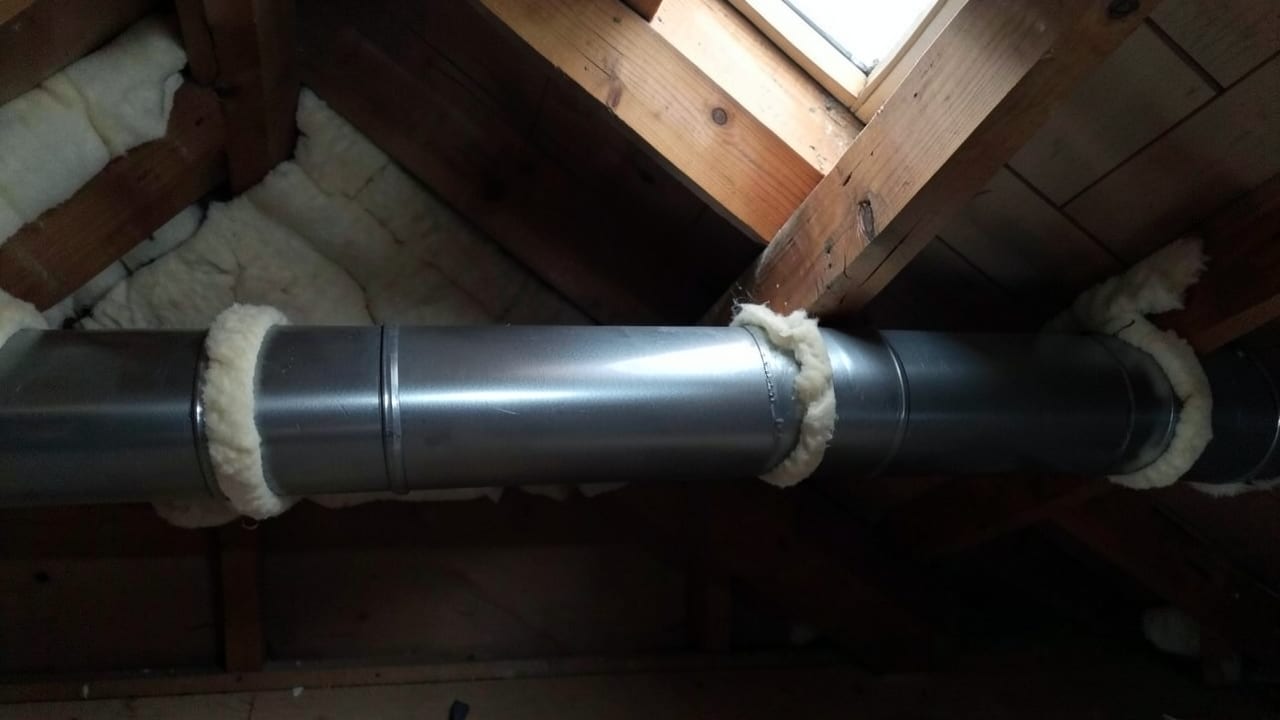
Attic Duct Cleaning in Manhattan, NY
Professional cleaning of attic ductwork to remove dust, debris, and contaminants for better airflow.
Learn MoreCommon Questions About Air Duct Cleaning in Manhattan
Everything you need to know about air duct cleaning services in Manhattan
How much does Medical Clinic Duct Cleaning typically cost in Manhattan, NY?
What local factors get checked before recommending duct cleaning in Manhattan, NY?
How often should air ducts actually be cleaned?
What does an air duct cleaning appointment actually involve, step by step?
Does dirty ductwork actually cause allergy or respiratory symptoms?
Can air ducts be cleaned with a household vacuum instead of hiring it out?
Need Air Duct Cleaning in Manhattan?
Get a written quote from our Manhattan crew.
⏰ We answer your call • Serving all of Manhattan and surrounding areas