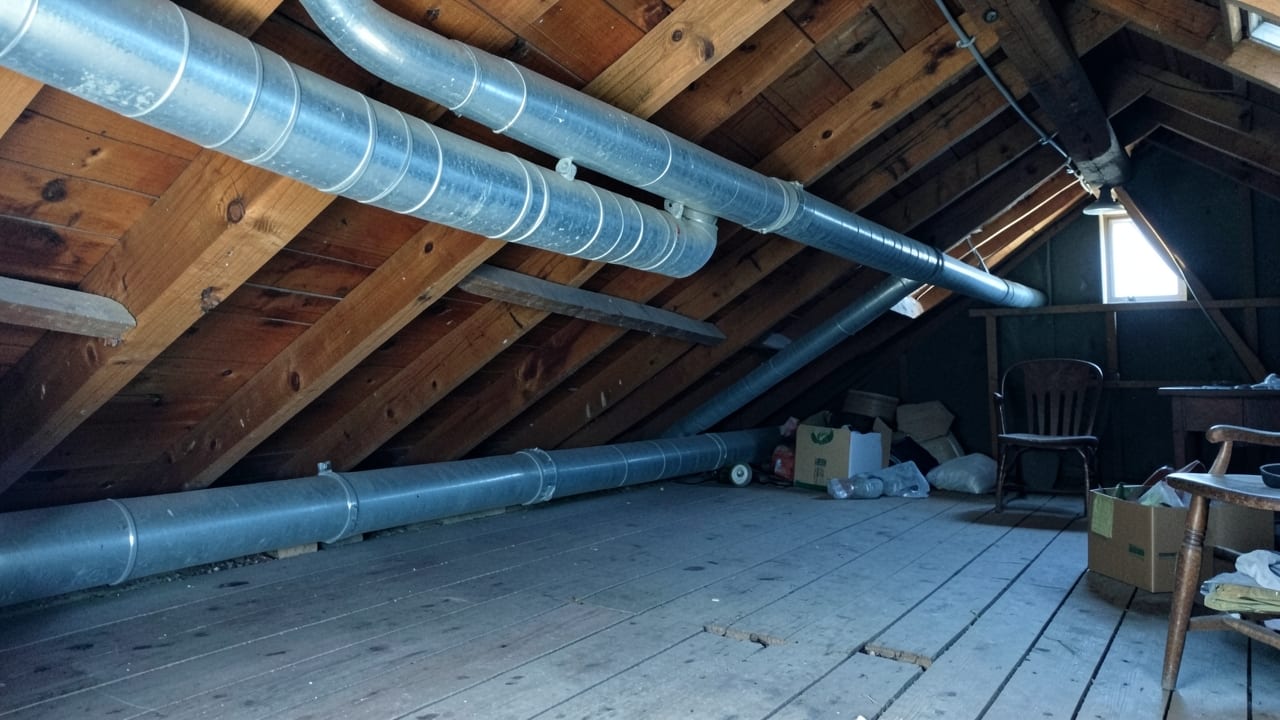
Salt Air Corrosion Duct Treatment
Application of protective treatment to air ducts to prevent salt air corrosion in coastal areas.
Salt air corrosion duct treatment in Manhattan protects HVAC systems from the damaging effects of salty, humid coastal air. This specialized coating helps prevent rust, deterioration, and reduced efficiency in ductwork exposed to marine environments. A thorough inspection and cleaning process ensures your system operates effectively and lasts longer.
Why salt air corrosion duct treatment matters in Manhattan
Manhattan’s proximity to the Atlantic Ocean means your ductwork faces constant exposure to salt-laden air, which accelerates corrosion and buildup. Over time, this can weaken ductwork, reduce airflow efficiency, and even introduce harmful particles into your living space.
We also handle Indoor Air Quality Testing and Commercial Duct Cleaning for Manhattan properties.
A salt air corrosion treatment creates a protective barrier to mitigate these effects, extending the life of your HVAC system.
Salt air doesn’t just corrode metal—it also encourages mold and mildew growth inside ducts, which can spread throughout your home when the system runs. Without treatment, these issues worsen over time, leading to poor air quality, higher energy bills, and potential system failures.
Regular maintenance helps counteract these challenges, especially in older buildings where ductwork may already be compromised.
Signs Your Ductwork Needs Salt Air Corrosion Treatment
- A visible layer of dust reappears on furniture within days of cleaning, especially near supply vents.
- A musty or stale smell is noticeable only when the HVAC system is running, not when it’s off.
- Fine gray film or buildup appears quickly on register grilles after wiping them clean.
- Airflow feels weaker than before, or some rooms stay cooler or warmer than others despite consistent thermostat settings.
- Your HVAC system cycles on and off more frequently than usual, a sign of reduced efficiency.
What affects pricing and timing for your treatment
The cost and frequency of salt air corrosion duct treatment depend on factors like the age of your ductwork, the extent of existing corrosion, and how quickly dust and debris accumulate. In Manhattan, older buildings with uninsulated ducts or those near coastal exposure may need more frequent attention.
The treatment itself involves inspection, cleaning, sealing, and protective coating—each step tailored to your system’s specific needs.
Unlike generic duct cleaning, salt air corrosion treatment requires specialized equipment and materials to address both physical buildup and chemical corrosion. This makes it a more involved—and more effective—process for homes in marine-influenced areas.
The timing between treatments also varies: some homes benefit from annual checks, while others may only need it every few years, depending on conditions.
Common mistakes to avoid during treatment
Skipping the initial inspection can lead to missed corrosion hotspots or untreated sections of ductwork, leaving your system vulnerable. Without a camera or mirror check, technicians may overlook areas where dust or debris has compacted tightly against the walls, making it harder to remove later.
Always insist on a thorough pre-cleaning inspection to ensure nothing is overlooked.
Using improper sealing techniques during treatment allows dislodged dust to escape into living spaces instead of being captured. A negative-pressure system connected to HEPA filtration is essential for containing particulate matter. Without this step, the cleaning process can actually spread contaminants throughout your home, defeating the purpose of the service.
Aggressive brushing or air whipping can disconnect flexible duct sections if joints are loose, causing conditioned air to leak into wall cavities or attics. Excess moisture from biocide treatments, if not properly dried, can also promote new microbial growth inside ducts, creating a different problem than the one being addressed.
How salt air corrosion duct treatment works
This process combines inspection, cleaning, and protective coating to safeguard your HVAC system.
- 1System Inspection
A camera or mirror inspection identifies concentrated dust, debris, or biological growth in supply and return ducts. This step ensures technicians know which sections require agitation and which are already relatively clear.
- 2Register and Vent Sealing
Non-working registers and vents are sealed off, and a negative-pressure collection unit is connected. This prevents dislodged dust from blowing into living spaces during cleaning.
- 3Mechanical Agitation and HEPA Extraction
Rotary brushes or compressed-air whips loosen built-up dust from duct walls, which is then pulled into a HEPA-filtered collection system. This step captures fine particulate on-site rather than releasing it back into the air.
- 4Protective Coating Application
A specialized corrosion-resistant coating is applied to treated ductwork to shield it from salt air damage. This helps prevent future rust and deterioration, extending the system’s lifespan.
- 5Airflow Verification
After reassembly, airflow at key registers is checked against pre-cleaning levels. This confirms the work improved circulation rather than merely redistributing dust within the ducts.
Frequently asked questions
How do I know if my ductwork is suffering from salt air corrosion?
Look for signs like rust spots on exposed ductwork, a metallic taste or smell in the air when the HVAC runs, or visible corrosion around vent openings. If your system is older or your home is near coastal areas, these issues are more likely to develop over time.
Will this treatment help with allergies or musty smells?
While the treatment primarily targets corrosion and dust buildup, removing accumulated debris and applying protective coatings can reduce airborne particles and improve air quality. However, persistent odors or allergens may require additional steps like deep cleaning or air purification.
How often should I schedule this treatment for my Manhattan home?
There’s no one-size-fits-all answer, but homes in salt-air-prone areas often benefit from treatment every 2–5 years, depending on duct condition and exposure. Regular filter changes and sealing gaps also help extend the time between treatments.
Can I perform a DIY inspection to check for corrosion before calling a professional?
You can visually inspect accessible ductwork for rust or buildup, but a full assessment requires a camera inspection. Hidden corrosion or blockages in less accessible areas may not be obvious without professional tools, so a pre-treatment check is highly recommended.
See Harlem, NY for more, or take a look at how our Manhattan crew can help in one place for our complete lineup.
Ready to get started?
Talk to a local air duct cleaning pro in Manhattan — get a written quote.
Other Air Duct Cleaning Services in Manhattan

Indoor Air Quality Testing in Manhattan, NY
Indoor air quality testing in Manhattan, NY measures particulate levels, humidity, and allergens to identify what a home's HVAC system is actually circulating.
Learn More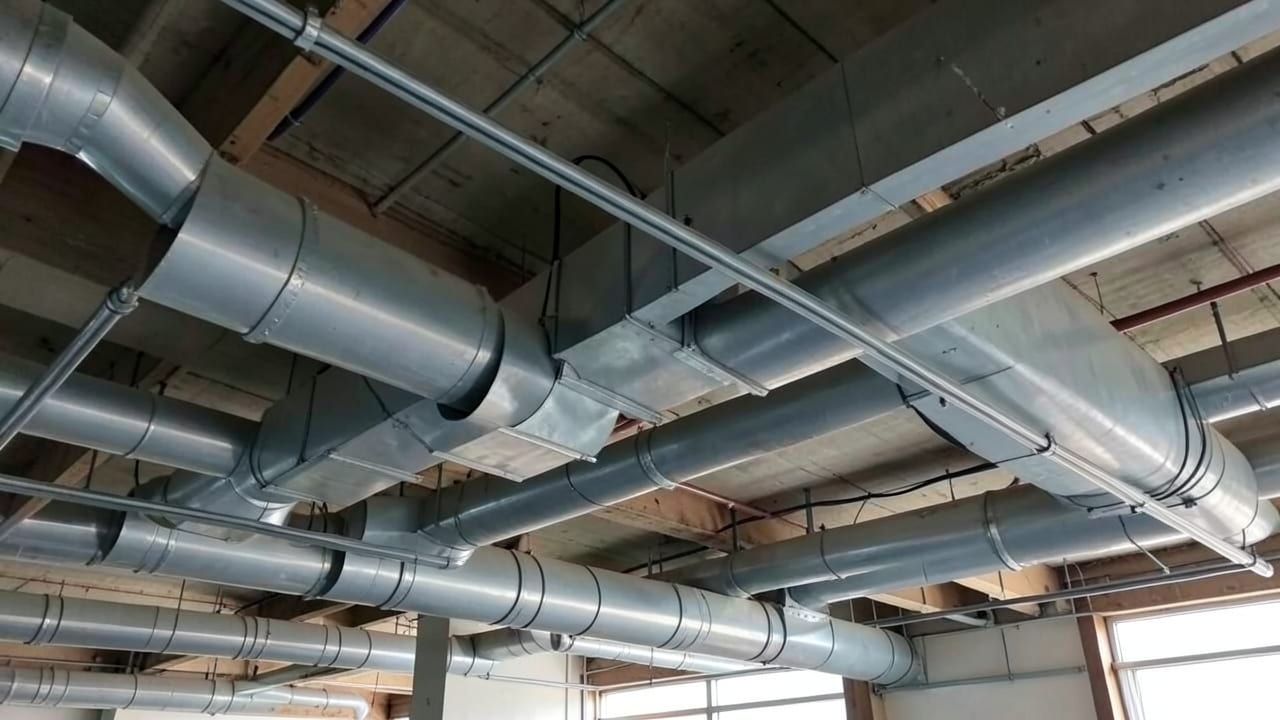
Commercial Duct Cleaning in Manhattan, NY
Commercial HVAC duct and rooftop unit cleaning in Manhattan, NY for offices, restaurants, and retail properties.
Learn More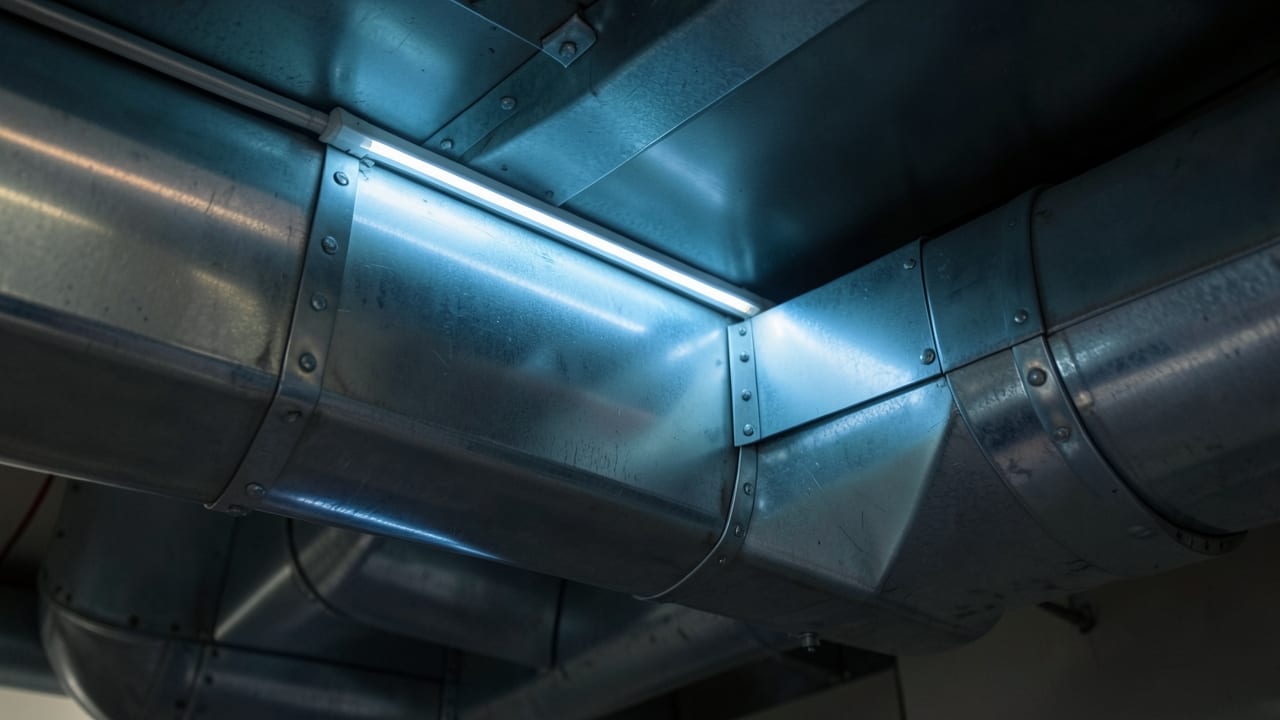
UV Light & Sanitization Treatment in Manhattan, NY
UV-C light installation and duct sanitization treatment in Manhattan, NY — an ongoing defense against microbial growth on the evaporator coil.
Learn More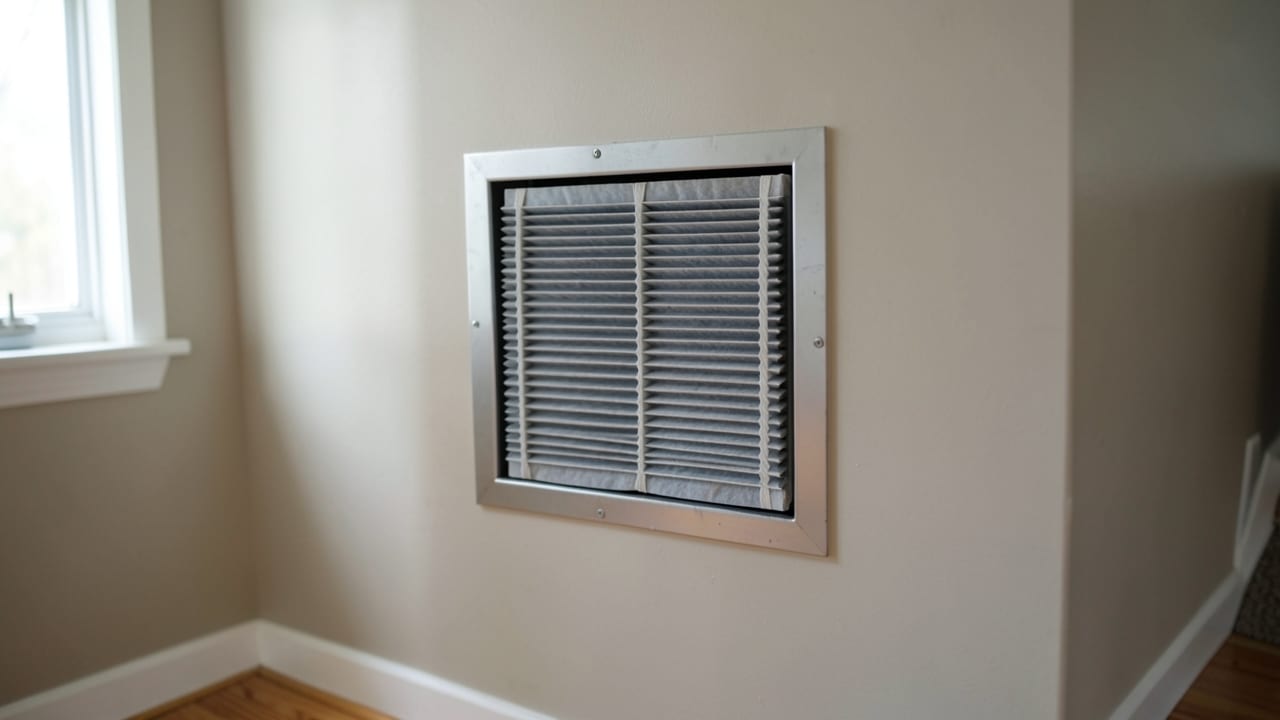
Air Filter Replacement in Manhattan, NY
Air filter replacement and MERV-rating guidance in Manhattan, NY, matched to household needs and system airflow limits.
Learn More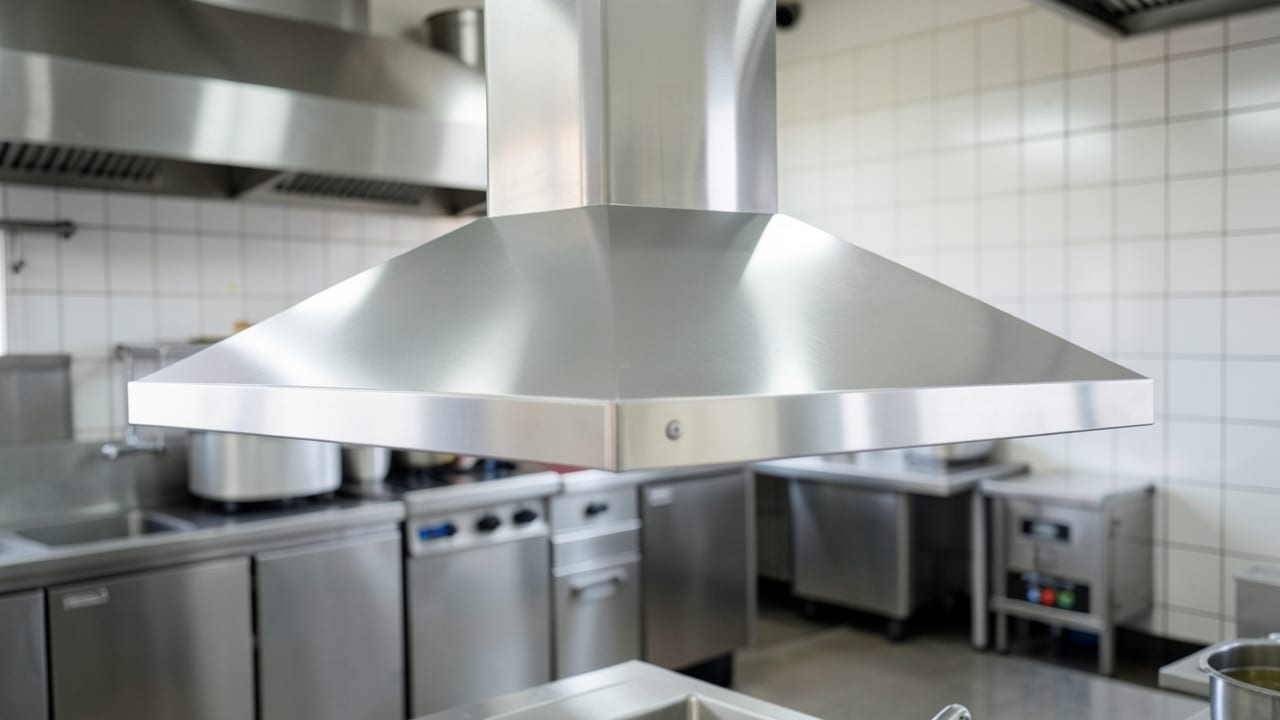
Kitchen Exhaust Hood Cleaning in Manhattan, NY
Commercial and residential kitchen exhaust hood cleaning in Manhattan, NY — removes grease buildup from hoods, filters, and ductwork.
Learn More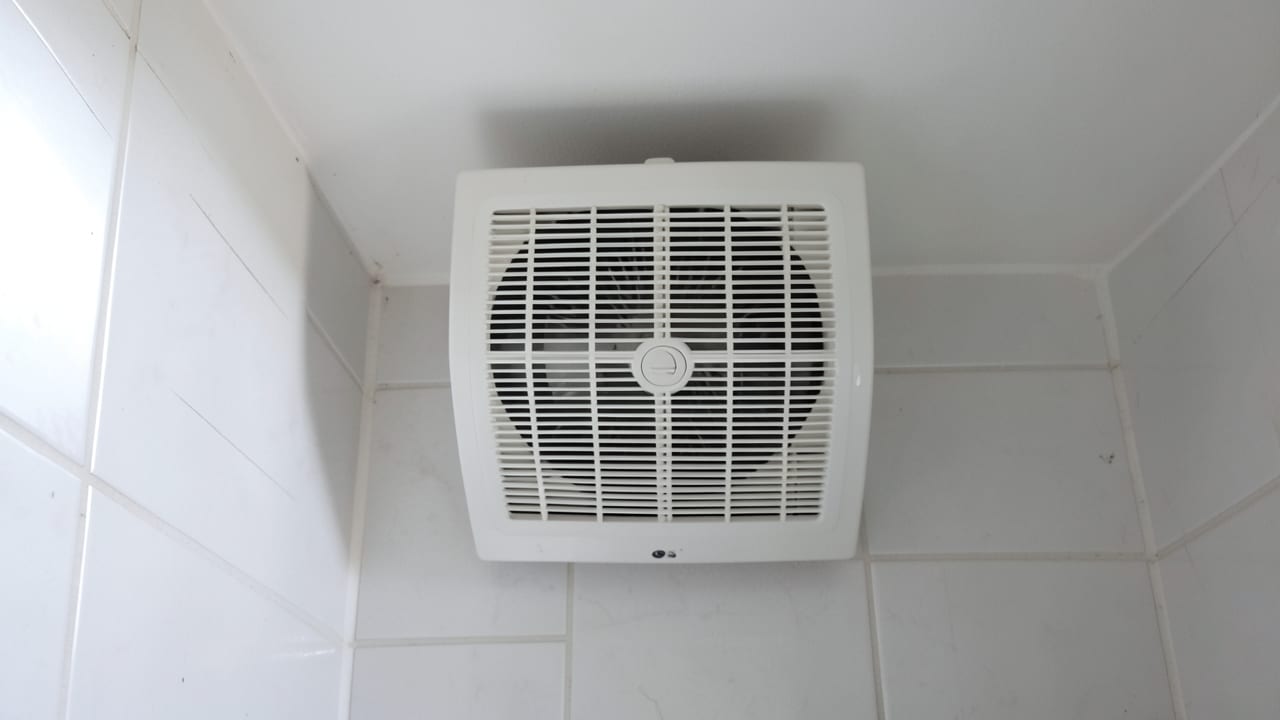
Bathroom Exhaust Fan Cleaning in Manhattan, NY
Bathroom exhaust fan cleaning in Manhattan, NY clears dust and lint from the fan housing and vent run, restoring proper airflow.
Learn MoreCommon Questions About Air Duct Cleaning in Manhattan
Everything you need to know about air duct cleaning services in Manhattan
How much does Salt Air Corrosion Duct Treatment typically cost in Manhattan, NY?
What local factors get checked before recommending duct cleaning in Manhattan, NY?
Is duct cleaning ever covered by a home warranty or insurance policy?
What's the actual difference between duct cleaning and dryer vent cleaning?
Does the cleaning process release dust into the rest of the home?
How long does a typical air duct cleaning appointment take?
Need Air Duct Cleaning in Manhattan?
Get a written quote from our Manhattan crew.
⏰ We answer your call • Serving all of Manhattan and surrounding areas