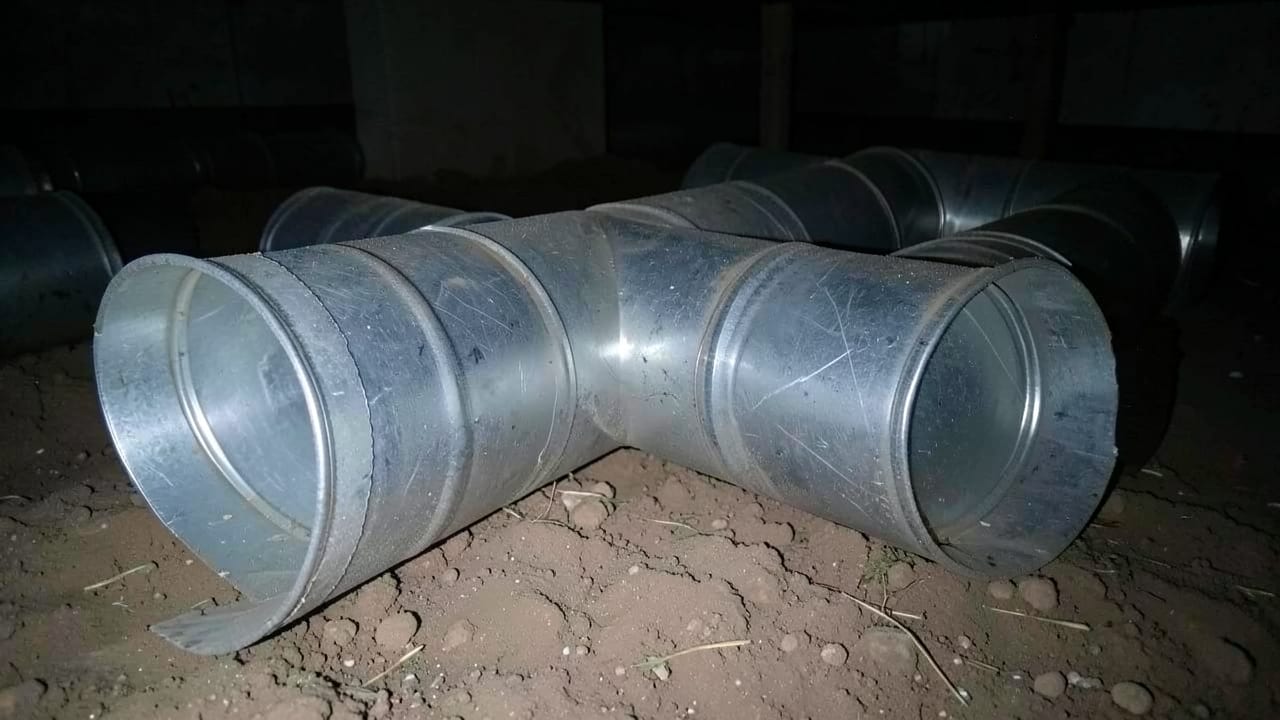
Crawl Space Duct Cleaning
Professional cleaning of ductwork in crawl spaces to improve airflow and indoor air quality.
Crawl space duct cleaning in Manhattan targets hidden HVAC ductwork beneath homes, removing dust, debris, and contaminants that restrict airflow and circulate pollutants. Since these ducts are out of sight, buildup often goes unnoticed until it affects indoor air quality or system efficiency.
A thorough inspection and targeted cleaning help restore proper airflow and reduce airborne particles in living spaces.
We also handle Evaporator Coil Cleaning and Vent Cover Cleaning for Manhattan properties.
When crawl space duct cleaning is needed
Dust puffing from vents when the HVAC first turns on, or dust resettling unusually fast on furniture near supply registers, often signals buildup inside crawl space ducts.
A musty smell that fades once the system shuts off points to biological growth or trapped moisture in the ductwork, rather than general household odors. These signs suggest debris has compacted over time, reducing airflow and circulating contaminants.
Visible dust layers forming quickly on surfaces near specific vents, or a fine gray film reappearing on register grilles after cleaning, are direct clues. These indicate active dust delivery from the ducts rather than normal settling.
Since crawl space ducts are less accessible, these symptoms often appear before physical inspection confirms the need for cleaning.
Signs Your Crawl Space Ducts Need Cleaning
- A visible puff of dust when the HVAC system first kicks on, especially near supply vents.
- Dust resettling on furniture or surfaces within days of cleaning, particularly in rooms near supply registers.
- A musty or stale smell that appears only when the HVAC is running and disappears when it’s off.
- A fine gray film or buildup forming quickly on register grilles, even after wiping them clean.
- Uneven dust accumulation in different rooms, with one or two areas collecting dust far faster than others.
How often should you schedule this service?
The timing for crawl space duct cleaning depends more on household conditions than a fixed schedule. Homes with pets, high humidity, or unsealed duct connections tend to accumulate dust faster.
Changing air filters every one to three months—based on filter type and household activity—helps reduce the rate of new buildup, as a clogged filter forces more dust into the ducts.
Industry recommendations vary widely, from once a year to once every five years, because the real answer depends on factors like air quality, household habits, and duct sealing.
Regular vacuuming of registers and return grilles also slows dust re-entry between cleanings. Without addressing these ongoing sources, even thorough cleaning may not last as long.
What affects the cost and scope?
Pricing for crawl space duct cleaning in Manhattan depends on whether the quote is flat-rate, per-vent, or per-register, and whether the cleaning includes main trunk lines, HVAC coils, and blower components.
A flat-rate quote typically covers the entire system, while per-vent pricing can vary widely based on the number of registers. Some providers exclude main duct lines or the HVAC unit itself, leaving those areas untouched.
The method used also impacts cost and effectiveness. A negative-pressure HEPA vacuum system with mechanical agitation removes more debris than a shop-vac at individual vents. Without a before-and-after camera inspection, there’s no way to verify how much debris was actually removed.
Additional treatments, like biocide applications, may be recommended but can introduce new risks if not followed by proper drying.
| Pricing Factor | What It Means | Potential Impact on Cost |
|---|---|---|
| Flat-rate vs. per-vent | Flat-rate covers the whole system; per-vent charges per register cleaned. | Flat-rate is simpler for comparison but may exclude main lines. Per-vent can add up quickly in larger homes. |
| Included components | Does the quote cover main trunk lines, HVAC coils, and blower? | Excluding these areas leaves hidden dust untouched, reducing overall effectiveness. |
| Cleaning method | Negative-pressure HEPA vs. shop-vac at vents. | HEPA with agitation removes more debris but costs more upfront. |
| Inspection included | Before-and-after camera check to verify debris removal. | Without inspection, you can’t confirm if the cleaning was thorough. |
How crawl space duct cleaning works
A thorough crawl space duct cleaning begins with an inspection to identify problem areas before any cleaning equipment is deployed.
- 1System Inspection
A camera or mirror is used to inspect supply and return ducts for concentrated dust, debris, or biological growth. This step pinpoints which sections need agitation and which are already relatively clear.
- 2Register and Vent Sealing
Supply and return registers not being worked on are sealed off, and a negative-pressure collection unit is connected. This ensures dislodged dust is pulled into the collection system instead of blowing into living spaces.
- 3Mechanical Agitation
A rotary brush or compressed-air whip is run through each duct to loosen settled dust and debris. This step is critical because compacted dust doesn’t come loose from suction alone.
- 4HEPA Vacuum Extraction
Dislodged material is pulled into a HEPA-filtered collection system, capturing fine particulate on-site rather than releasing it back into the home through return air.
- 5Register and Diffuser Cleaning
Each supply and return register, grille, and accessible diffuser is removed and cleaned separately, as these accumulate different types of buildup than deeper duct sections.
Frequently asked questions
How do I know if my crawl space ducts need cleaning, or is the dust just settling normally?
If dust puffs from vents when the HVAC turns on, or if dust resettles unusually fast near specific registers, those are signs of buildup inside the ducts. A musty smell that appears only when the system is running also suggests trapped debris or moisture in the crawl space ductwork.
Will sealing off registers during cleaning prevent dust from spreading into my home?
Yes, sealing off registers not being worked on and using a negative-pressure collection system directs dislodged dust into the vacuum rather than blowing it into living spaces. This step is essential for containing the debris during the process.
How does the cleaning method affect how long the results last?
A thorough cleaning with mechanical agitation and HEPA extraction removes more debris than a basic shop-vac approach. However, results depend on ongoing maintenance—like changing air filters and sealing duct gaps—to slow new buildup between cleanings.
What should I do if mold or pests are found during the inspection?
If mold or pests are discovered, the service may require additional remediation steps beyond standard cleaning. These could include antifungal treatments or pest control measures, which may alter the original scope and cost.
See Upper West Side, NY for more, or explore every option available in Manhattan by service type for our complete lineup.
Ready to get started?
Talk to a local air duct cleaning pro in Manhattan — get a written quote.
Other Air Duct Cleaning Services in Manhattan
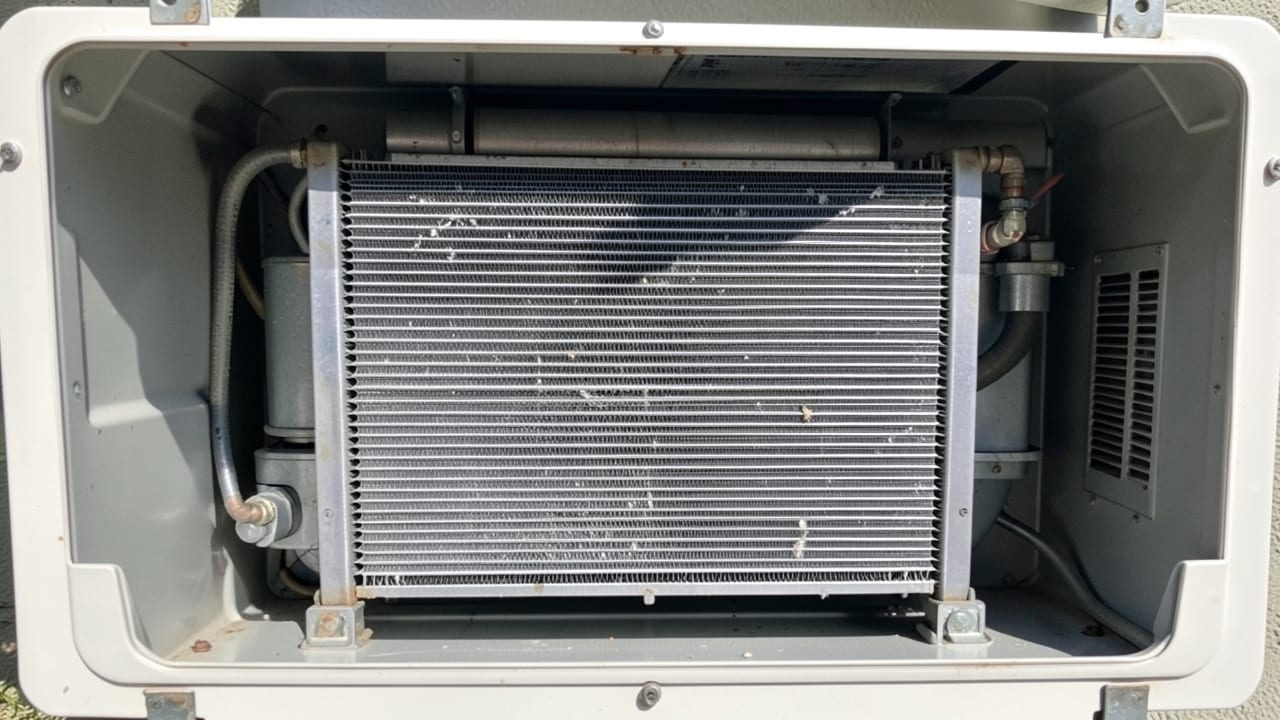
Evaporator Coil Cleaning in Manhattan, NY
Professional cleaning of HVAC evaporator coils to remove dirt, dust, and debris for improved airflow and efficiency.
Learn More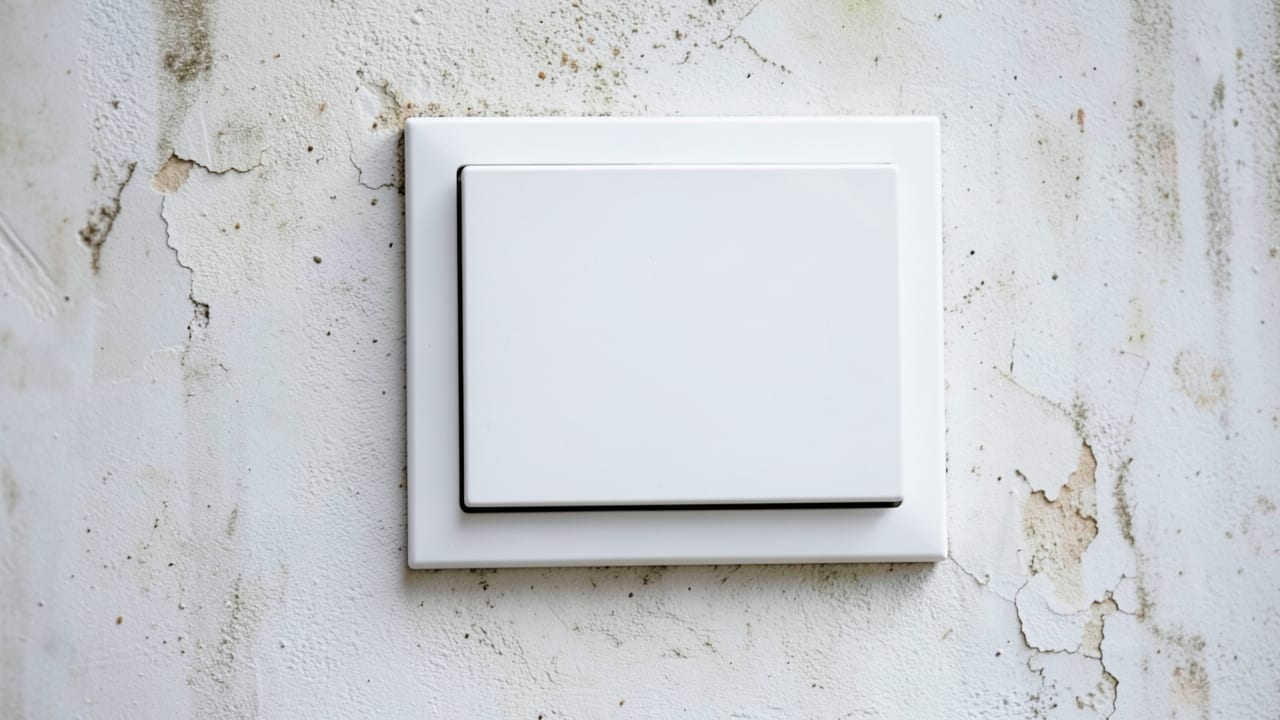
Vent Cover Cleaning in Manhattan, NY
Professional cleaning of vent covers to improve airflow and indoor air quality.
Learn More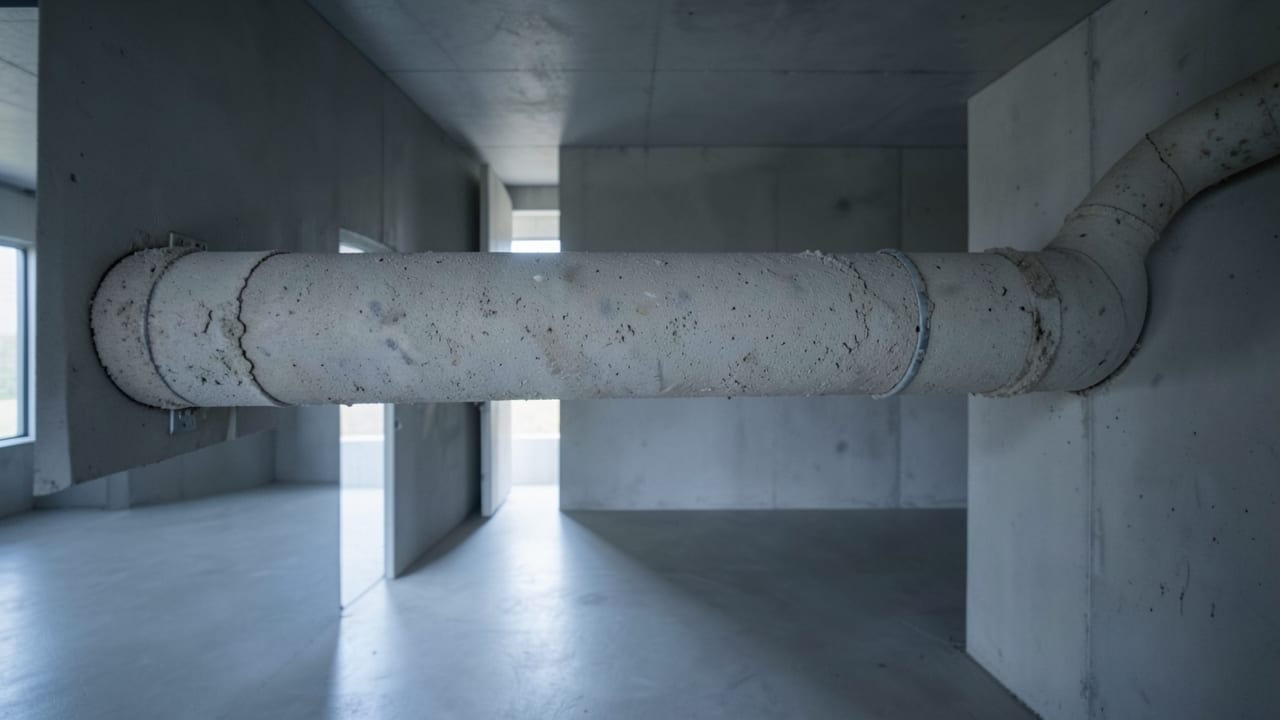
Concrete Duct Cleaning in Manhattan, NY
Professional cleaning of concrete ductwork to remove dust, debris, and contaminants from HVAC systems.
Learn More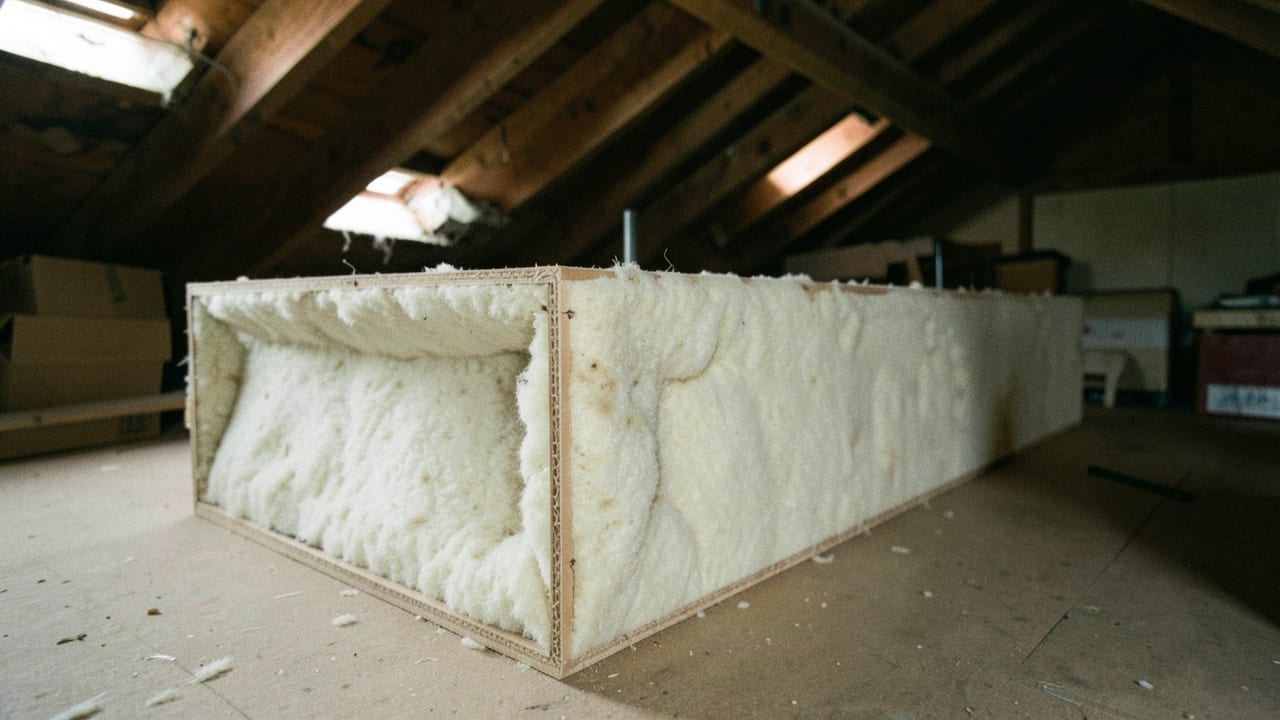
Fiberboard Duct Cleaning in Manhattan, NY
Professional cleaning of fiberboard HVAC ducts to remove dust, debris, and contaminants.
Learn More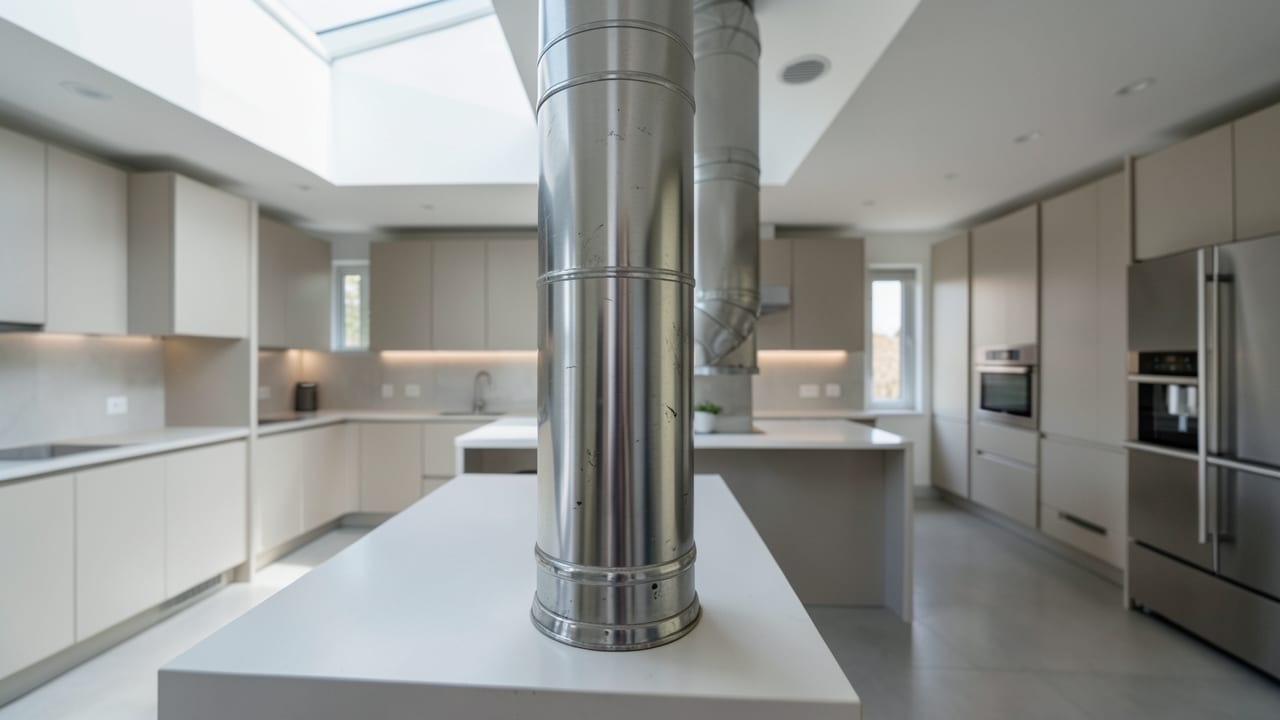
Stainless Steel Duct Cleaning in Manhattan, NY
Professional cleaning of stainless steel ductwork to remove dust, debris, and contaminants from HVAC systems.
Learn More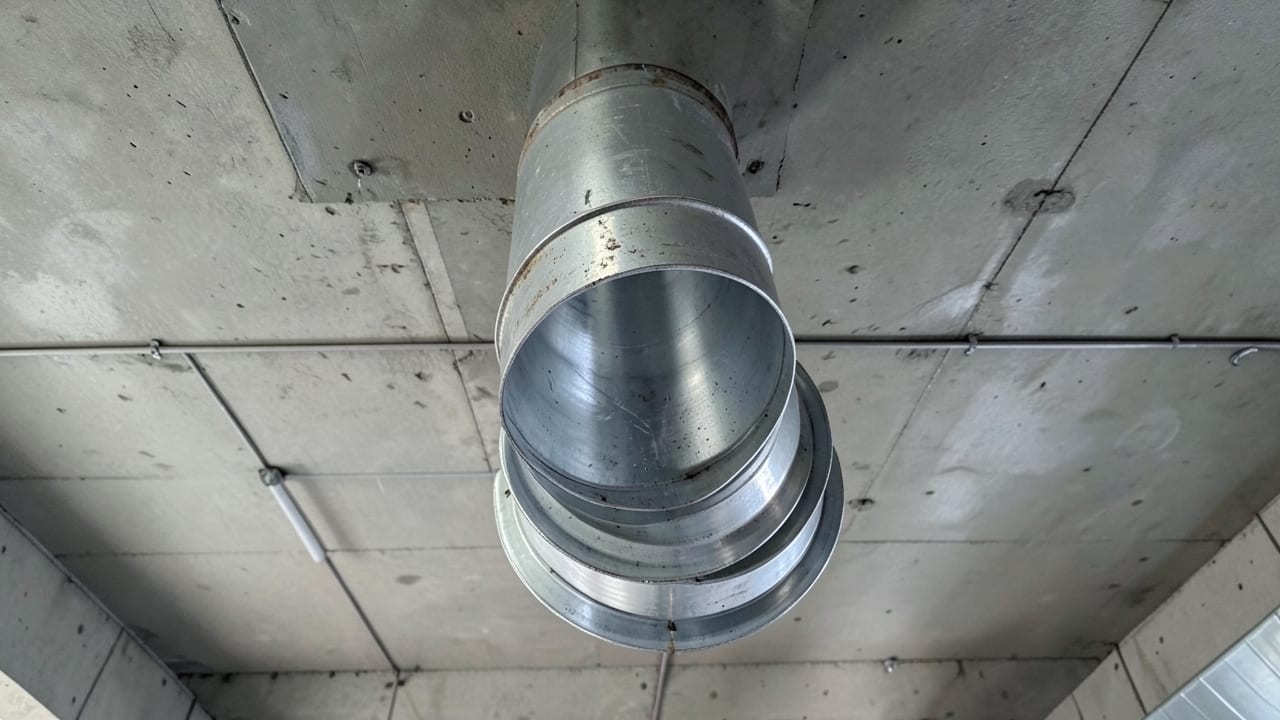
Spiral Duct Cleaning in Manhattan, NY
Professional cleaning of spiral ductwork to remove dust, debris, and contaminants from HVAC systems.
Learn MoreCommon Questions About Air Duct Cleaning in Manhattan
Everything you need to know about air duct cleaning services in Manhattan
How much does Crawl Space Duct Cleaning typically cost in Manhattan, NY?
What local factors get checked before recommending duct cleaning in Manhattan, NY?
What's the actual difference between duct cleaning and dryer vent cleaning?
Does the cleaning process release dust into the rest of the home?
How long does a typical air duct cleaning appointment take?
Can duct cleaning damage older or fragile ductwork?
Need Air Duct Cleaning in Manhattan?
Get a written quote from our Manhattan crew.
⏰ We answer your call • Serving all of Manhattan and surrounding areas