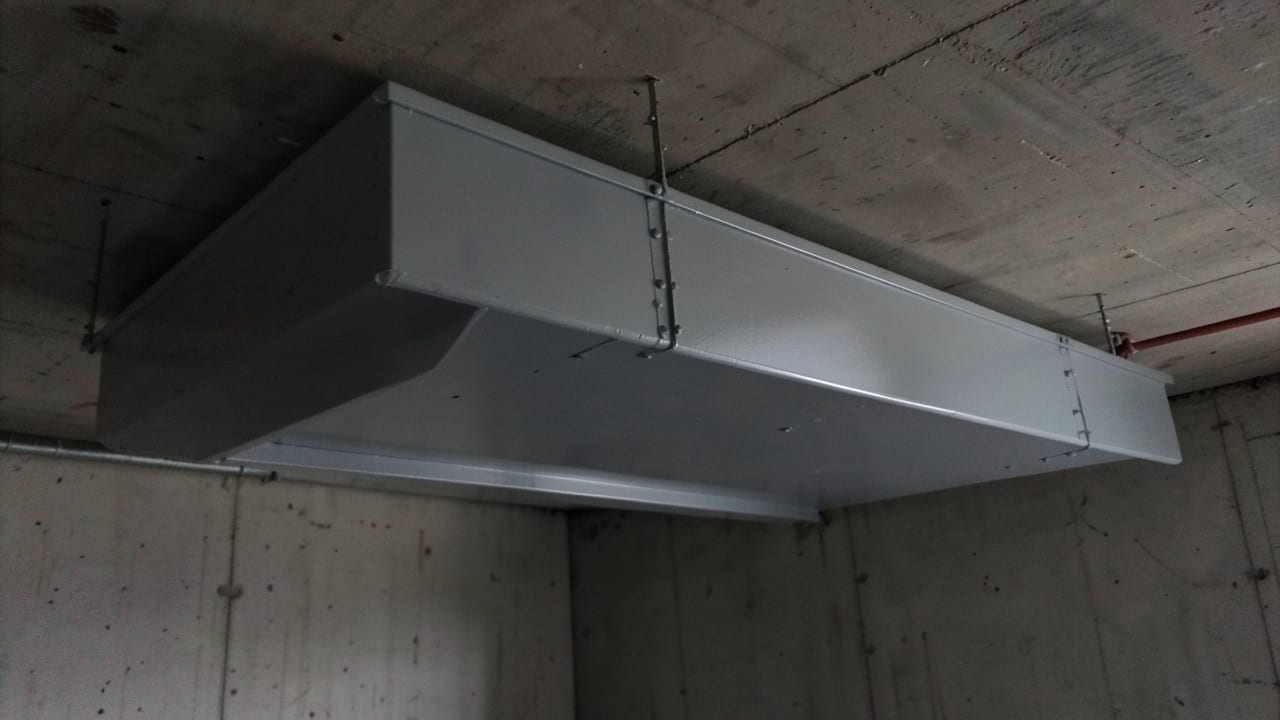
Basement Duct Cleaning
Professional cleaning of basement air ducts to remove dust, debris, and contaminants from HVAC systems.
Basement duct cleaning in Manhattan targets the hidden buildup of dust, mold, and allergens in HVAC systems, improving air quality and airflow in homes. Since basement ducts are often out of sight, contaminants accumulate undisturbed, making regular cleaning essential for maintaining a healthy indoor environment.
Why basement duct cleaning matters
Ductwork in basements collects more dust, pet dander, and biological growth than visible vents because it’s out of sight and less frequently disturbed. Over time, this buildup restricts airflow, forces the HVAC system to work harder, and pushes fine particulate into living spaces—especially when the system first turns on.
We also handle Evaporator Coil Cleaning and Vent Cover Cleaning for Manhattan properties.
A thorough cleaning removes compacted debris that suction alone can’t dislodge, targeting the root cause of poor air quality.
Signs the ducts need attention often appear in the rooms themselves: a visible layer of dust forming quickly near supply vents, a musty smell that fades when the system is off, or dust puffing out when the HVAC kicks on.
These clues point to what’s happening inside the ductwork, not just surface dust. Addressing the source helps maintain the efficiency of the entire system while reducing allergens that settle on furniture and floors.
Signs Your Basement Ducts Need Cleaning
- A visible layer of dust reappears near supply vents within days of cleaning or wiping surfaces.
- A musty or stale smell is noticeable only when the HVAC system is running, then fades when off.
- Dust puffs out visibly when the system first turns on, especially near basement registers.
- Airflow feels weaker than before, or some rooms stay cooler or warmer than others despite consistent thermostat settings.
- Pet hair or fine gray film builds up quickly on return grilles, even with regular vacuuming.
What affects pricing and timing?
The cost of basement duct cleaning in Manhattan typically ranges between $340 and $620 for a whole-home system, but this can vary based on the pricing model used. Some providers charge a flat fee for the entire system, while others bill per vent or register after a base count.
The actual total depends on whether the job includes main trunk lines, the HVAC unit’s coils, and blower components—or just the visible duct openings.
How often ducts need cleaning depends more on household habits than a fixed schedule. Homes with pets, frequent guests, or unsealed duct connections accumulate dust faster. Changing air filters every 1–3 months (depending on type and usage) is the single biggest factor in slowing buildup.
Sealing gaps where ducts meet registers or join in unfinished basements also reduces how quickly new dust enters the system between cleanings.
Common missteps to avoid
Skipping the step of sealing off unused registers during cleaning lets dislodged dust blow back into living spaces instead of being captured. Similarly, using only a shop vac at the vents removes far less debris than a full negative-pressure system clean, which pulls contaminants out through the entire duct network.
Without a before-and-after camera inspection, there’s no way to confirm how much debris was actually removed—or if the work just moved dust around inside the ducts.
Adding biocides or moisture treatments without proper drying afterward can create new microbial growth inside the ductwork. And aggressive brushing or air whips on flexible duct sections risk pulling loose connections apart, sending conditioned air into wall cavities instead of living areas.
These oversights turn a routine maintenance task into a more costly repair down the line.
A price far below the typical range ($340–$620) may indicate a shop-vac-only method instead of full negative-pressure cleaning. Quotes that don’t specify whether they cover main trunk lines, coils, or blower components—or that bundle unrelated services like dryer vent cleaning—can lead to unexpected costs. Always ask for a before-and-after inspection to verify the work.
How basement duct cleaning works
A thorough basement duct cleaning follows a structured process to safely remove contaminants from the entire system.
- 1System Inspection
A camera or mirror inspection identifies where dust, debris, or biological growth is concentrated in supply and return ducts. This step ensures the crew knows which sections need agitation and which are already clear, avoiding unnecessary work.
- 2Register Sealing and Negative-Pressure Setup
Unused registers are sealed off, and a HEPA-filtered collection unit is connected to the system. This setup pulls dislodged dust into the collection unit instead of blowing it back into the rooms through open vents.
- 3Mechanical Agitation
A rotary brush or compressed-air whip is run through each duct run to knock built-up dust off the interior walls. This step is critical for removing compacted debris that suction alone cannot dislodge.
- 4HEPA Vacuum Extraction
The dislodged material is captured through the negative-pressure connection into a HEPA-filtered system, preventing fine particulate from re-entering the living space.
- 5Register and Diffuser Cleaning
Each supply and return register, grille, and diffuser is removed and cleaned separately, as these surfaces accumulate different types of buildup—like pet hair and surface dust—than deeper in the ductwork.
Frequently asked questions
How will I know if the duct cleaning actually worked?
A before-and-after camera inspection provides visual confirmation of debris removal. Improved airflow at registers (measured against pre-cleaning levels) and reduced dust puffing when the system turns on are also strong indicators. However, results depend on sealing duct gaps, changing filters regularly, and maintaining the system between cleanings.
Can basement duct cleaning help with allergies or mold smells?
Yes, but only if the buildup inside the ducts is contributing to the issue. A thorough cleaning removes dust, pet dander, and microbial growth that can worsen allergies or cause musty odors. If the smell persists after cleaning, the source may be elsewhere—such as unventilated areas or moisture issues—and may require additional steps.
Why do some quotes include ‘main trunk lines’ and others don’t?
Main trunk lines are the larger ducts that connect the HVAC unit to the branch vents. Including them in the cleaning ensures contaminants in these hidden sections are removed, but some providers charge extra for this step. Always confirm whether the quote covers the entire system or just the visible vent openings.
How often should I schedule basement duct cleaning?
There’s no one-size-fits-all answer—it depends on household factors like pets, air filter changes, and sealed duct connections. Industry guidance varies widely, but homes with heavy dust sources (like pets or unfinished basements) may need cleaning every 2–3 years, while others can go 5 years or longer. Regular filter changes and sealing gaps help extend the time between cleanings.
See Scotchtown, NY for more, or discover the air duct cleaning work we do around Manhattan on a single page for our complete lineup.
Ready to get started?
Talk to a local air duct cleaning pro in Manhattan — get a written quote.
Other Air Duct Cleaning Services in Manhattan
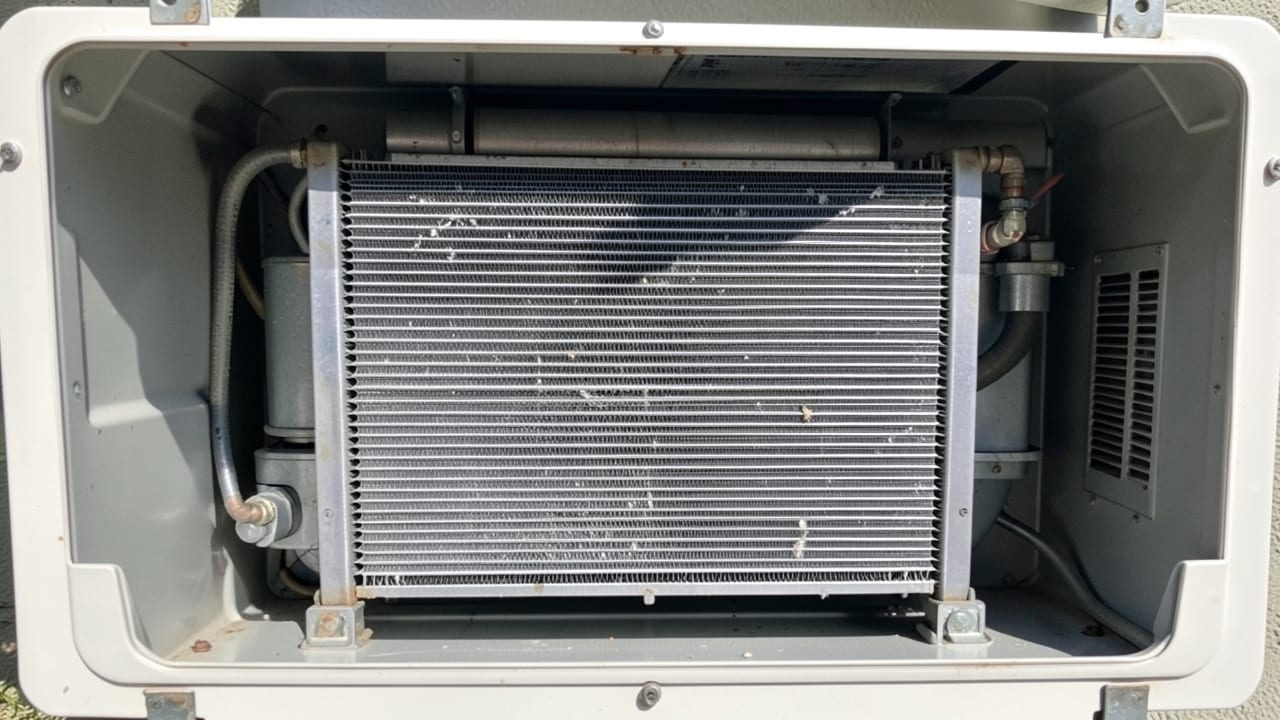
Evaporator Coil Cleaning in Manhattan, NY
Professional cleaning of HVAC evaporator coils to remove dirt, dust, and debris for improved airflow and efficiency.
Learn More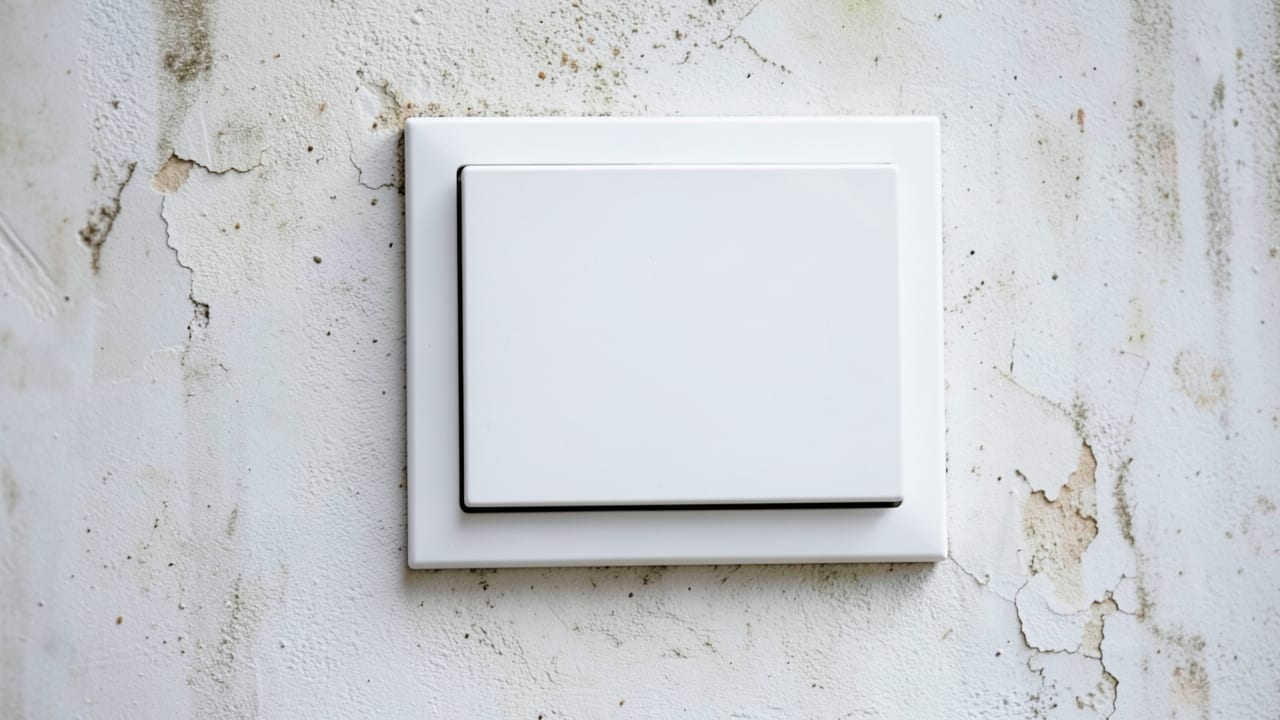
Vent Cover Cleaning in Manhattan, NY
Professional cleaning of vent covers to improve airflow and indoor air quality.
Learn More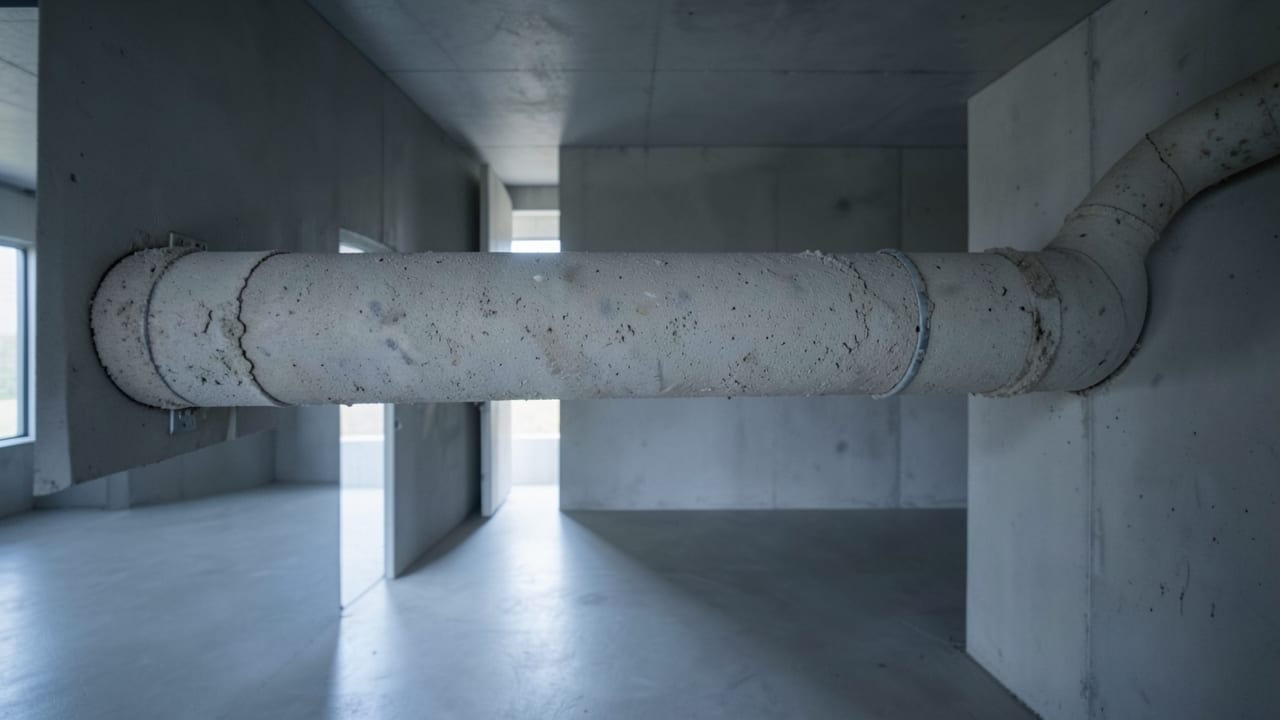
Concrete Duct Cleaning in Manhattan, NY
Professional cleaning of concrete ductwork to remove dust, debris, and contaminants from HVAC systems.
Learn More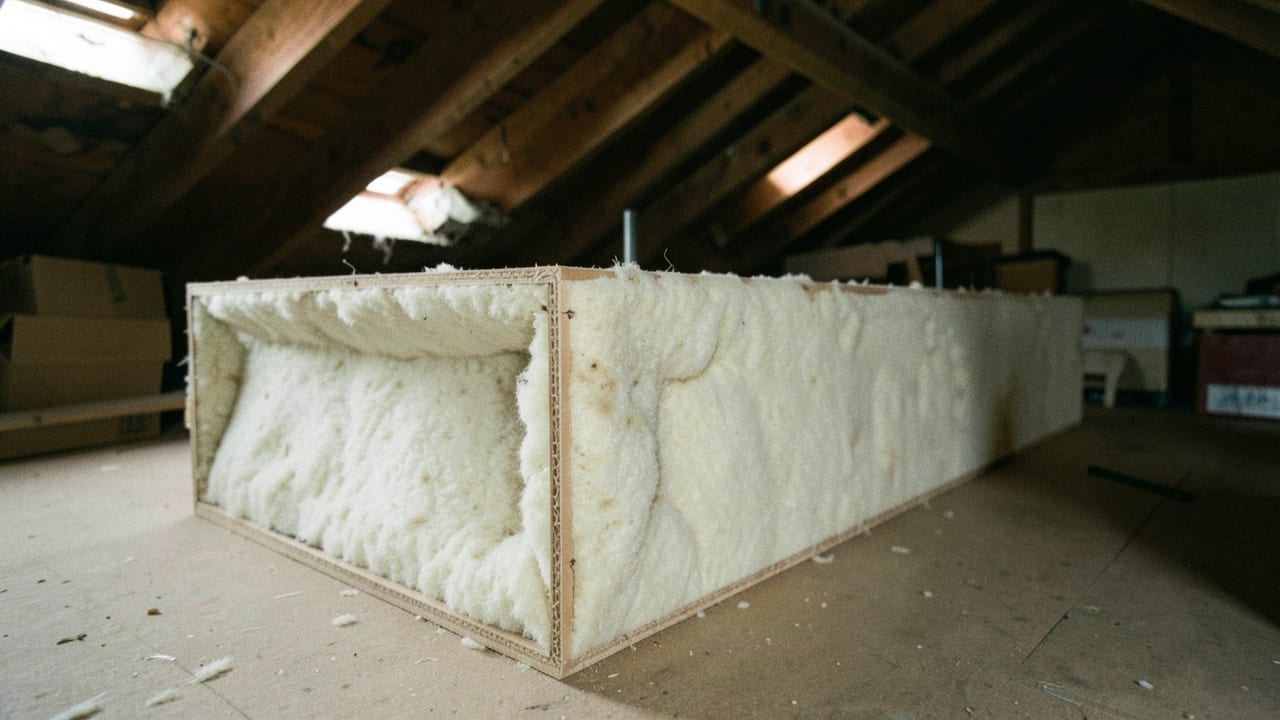
Fiberboard Duct Cleaning in Manhattan, NY
Professional cleaning of fiberboard HVAC ducts to remove dust, debris, and contaminants.
Learn More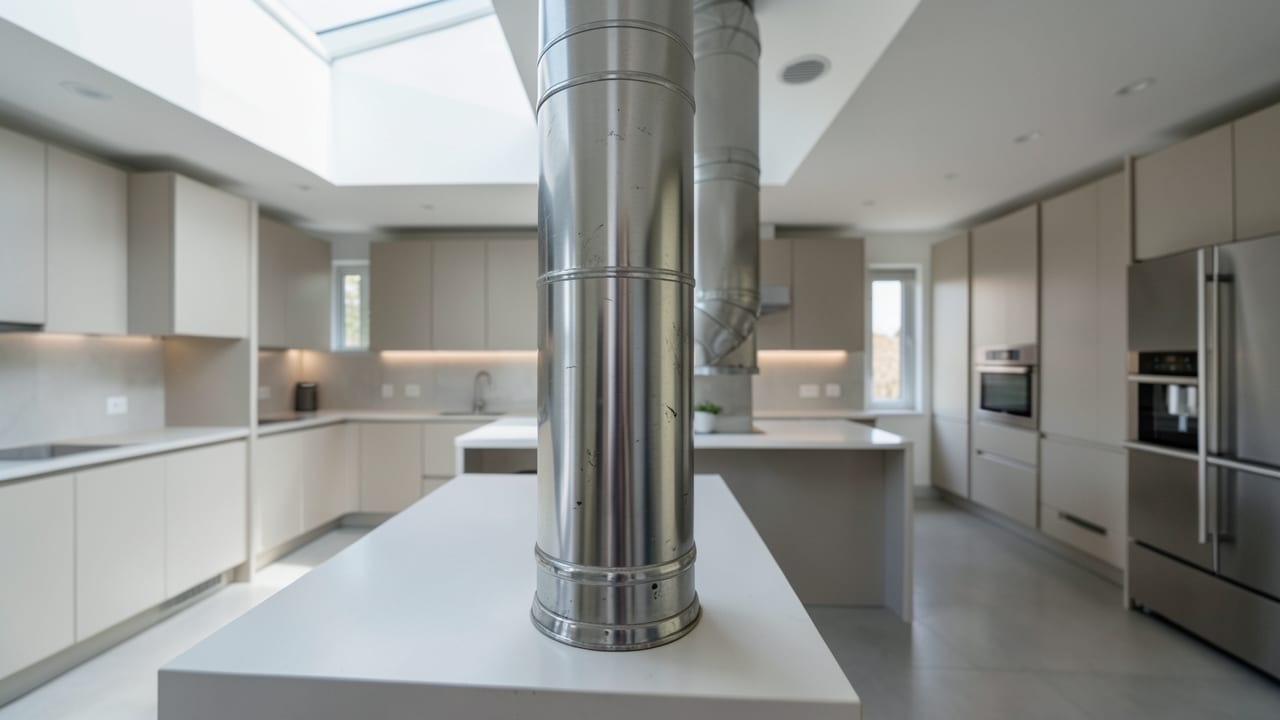
Stainless Steel Duct Cleaning in Manhattan, NY
Professional cleaning of stainless steel ductwork to remove dust, debris, and contaminants from HVAC systems.
Learn More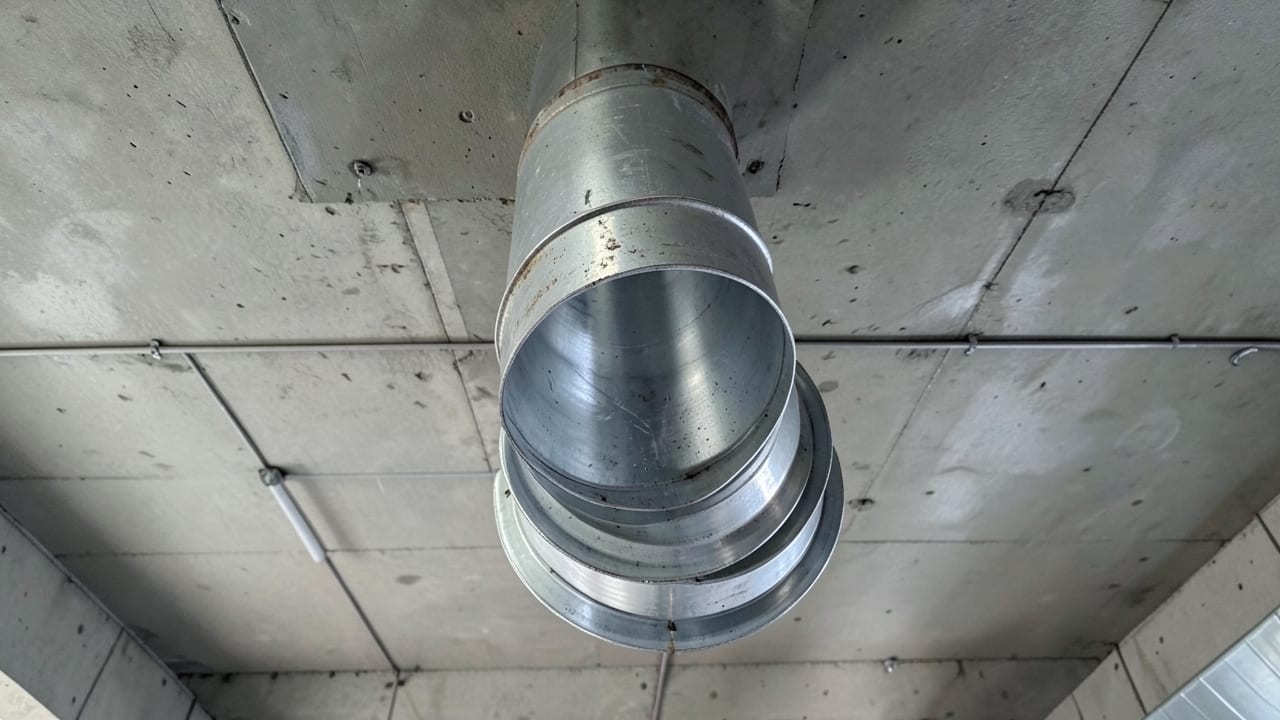
Spiral Duct Cleaning in Manhattan, NY
Professional cleaning of spiral ductwork to remove dust, debris, and contaminants from HVAC systems.
Learn MoreCommon Questions About Air Duct Cleaning in Manhattan
Everything you need to know about air duct cleaning services in Manhattan
How much does Basement Duct Cleaning typically cost in Manhattan, NY?
What local factors get checked before recommending duct cleaning in Manhattan, NY?
How often should air ducts actually be cleaned?
What does an air duct cleaning appointment actually involve, step by step?
Does dirty ductwork actually cause allergy or respiratory symptoms?
Can air ducts be cleaned with a household vacuum instead of hiring it out?
Need Air Duct Cleaning in Manhattan?
Get a written quote from our Manhattan crew.
⏰ We answer your call • Serving all of Manhattan and surrounding areas