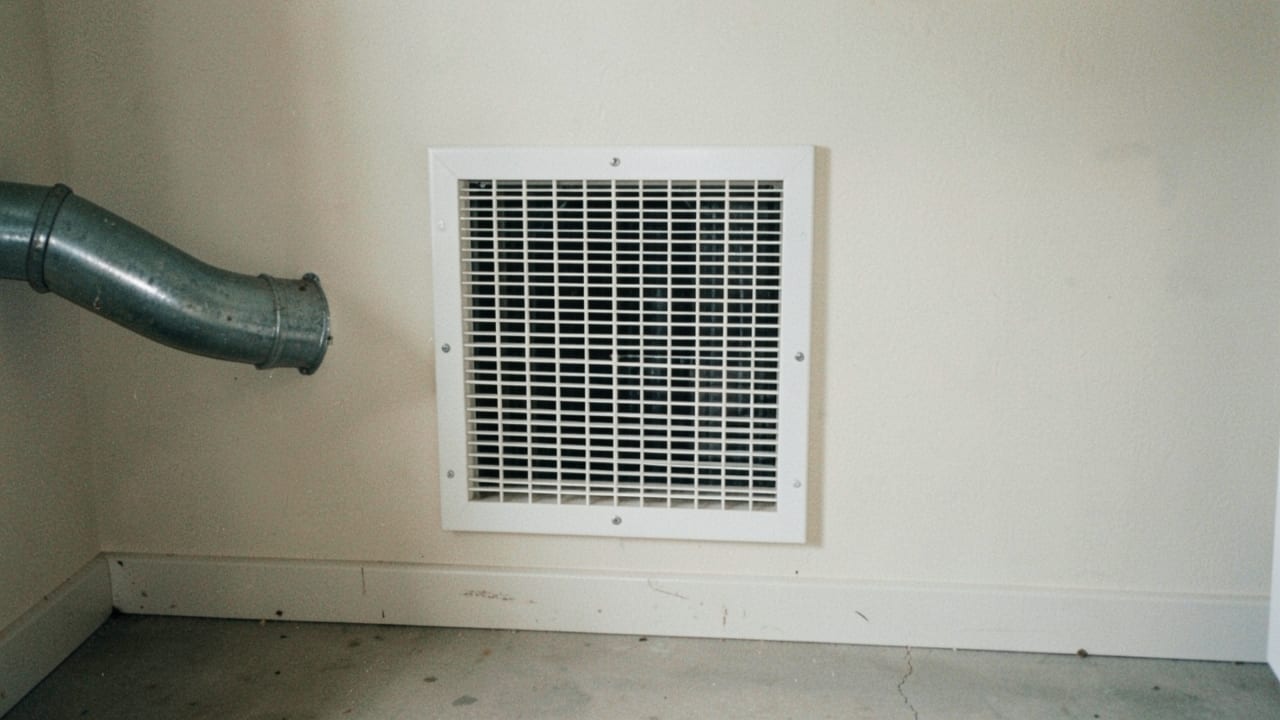
Laundry Room Vent Cleaning
Removal of lint and debris from laundry room vents to improve airflow and safety.
In Manhattan, laundry room vent cleaning removes lint, dust, and debris from dryer ductwork to improve efficiency and reduce fire risks. Compacted lint in vents restricts airflow, causing longer drying times and overheating.
A thorough cleaning includes inspecting the vent run, clearing blockages, and checking the exterior cap for proper function, ensuring your dryer operates safely and effectively.
We also handle Pest Infestation Duct Sanitization and Wear and Tear Duct Refresh for Manhattan properties.
Why your dryer vent needs cleaning
Lint buildup in dryer vents is a common but often overlooked hazard. Over time, lint accumulates at bends and along the vent line, restricting airflow and forcing your dryer to work harder. This not only increases energy use but also raises the risk of overheating or fire.
A blocked vent can also cause clothes to take longer to dry, signaling a deeper issue than just a full lint trap.
Manhattan’s older buildings and compact laundry spaces often make vent lines longer and more convoluted, accelerating lint buildup. Regular cleaning helps maintain airflow, reduces wear on your dryer, and keeps your laundry room safe.
Ignoring signs like hot exhaust or a burning smell can lead to costly repairs or safety hazards.
Signs Your Dryer Vent Needs Cleaning
- Clothes take significantly longer to dry than before, even on the same cycle setting.
- The dryer or laundry room feels unusually hot during or after a cycle.
- You notice a burning smell or see lint collecting around the exterior vent cap.
- The dryer shuts off early or fails to start, indicating restricted airflow.
- The exterior vent flap doesn’t open or close freely while the dryer runs.
What affects pricing and frequency
The cost of laundry room vent cleaning in Manhattan typically ranges based on the vent’s length, number of bends, and access difficulty. Shorter, straighter vents with fewer obstructions are easier and faster to clean, while longer or complex runs may require additional time and tools.
Pricing also varies depending on whether the service includes a full inspection of the vent run, exterior cap, and reconnection with rigid ducting.
How often your vent needs cleaning depends on habits like lint trap maintenance and the type of loads you run. Heavy-lint loads (like towels or blankets) fill vents faster, while wiping the lint trap before every load can cut buildup by up to 80%.
A vent with minimal bends and a shorter run stays clearer longer than one with sharp turns or excessive length.
What’s included in a professional cleaning
A thorough laundry room vent cleaning goes beyond just removing lint from the visible duct. It includes inspecting the entire vent run—from the dryer exhaust port to the exterior cap—for blockages, crushed sections, or improper connections.
The exterior cap and damper flap are checked to ensure they open and close properly, preventing pests or outside air from entering the vent line.
Reconnecting the dryer with rigid or semi-rigid ducting (where possible) helps maintain better airflow and reduces future lint buildup. An airflow test confirms the vent is clear and functioning as intended, which is the true measure of a successful cleaning.
Without this step, compacted lint left at bends or a restricted connection can undo the benefits of the service.
| Step | Purpose |
|---|---|
| Vent run inspection | Checks for length, bends, and crushed sections where lint accumulates fastest. |
| Lint removal with rotary brush | Pulls compacted lint from the full vent length, including elbows. |
| Exterior cap and flap check | Ensures the flap opens and closes freely to prevent airflow restrictions or pest entry. |
| Reconnection with rigid ducting | Improves airflow and reduces future lint buildup where possible. |
| Airflow test | Confirms exhaust moves freely end-to-end, verifying the vent is clear. |
How laundry room vent cleaning works
A professional cleaning follows a structured process to ensure safety and efficiency.
- 1Inspect the Vent Run
The dryer is disconnected, and the entire vent line—from the exhaust port to the exterior cap—is inspected for length, bends, and any crushed or disconnected sections. Lint builds up fastest at bends and in longer runs, so these areas get special attention.
- 2Remove Compacted Lint
A rotary brush sized to the duct diameter is run through the vent from both accessible ends to pull out lint, especially at elbows where it tends to accumulate. A vacuum alone often misses compacted lint in harder-to-reach spots.
- 3Check the Exterior Cap
The exterior vent cap and damper flap are examined to ensure the flap opens fully during a cycle and closes tightly afterward. A stuck-open flap lets in outside air and pests, while a flap that won’t open restricts airflow.
- 4Reconnect with Rigid Ducting
If possible, the dryer is reconnected using rigid or semi-rigid metal ducting instead of flexible foil or plastic. Smooth-walled ducting restricts less airflow and traps less lint over time, improving long-term performance.
- 5Test Airflow
With the dryer running on a normal cycle, airflow is checked at the exterior cap to confirm exhaust moves freely. This step ensures the vent is truly clear and functioning as intended, not just visually clean.
Frequently asked questions
How often should I have my laundry room vent cleaned?
For most households, cleaning every 12–18 months helps maintain airflow and reduce fire risks. If you frequently dry heavy-lint items like towels or blankets, or notice signs of restricted airflow, cleaning more often may be needed. Regularly wiping the lint trap before every load can extend the time between professional cleanings.
Can I clean the vent myself, or should I hire a professional?
While some homeowners attempt DIY cleaning with a vacuum or brush, compacted lint—especially at bends—is often missed without specialized tools. A professional uses rotary brushes and negative-pressure systems to clear the entire vent line thoroughly, including hard-to-reach areas. They also inspect for hidden issues like crushed ducts or faulty exterior caps.
What happens if I ignore a blocked dryer vent?
A blocked vent forces your dryer to work harder, increasing energy use and wear on the machine. Over time, overheating from restricted airflow can damage the dryer or, in extreme cases, pose a fire hazard. You may also notice clothes taking longer to dry or a burning smell during cycles, which are clear signs the vent needs attention.
Does the type of ducting affect how often I need cleaning?
Yes. Rigid or semi-rigid metal ducting restricts less airflow and traps less lint than flexible foil or plastic tubing, so it stays clearer longer. If your vent uses flexible ducting, it may require more frequent cleaning. During a professional service, upgrading to rigid ducting (where possible) can improve long-term performance.
See Goshen, NY for more, or see everything on offer in Manhattan in full for our complete lineup.
Ready to get started?
Talk to a local air duct cleaning pro in Manhattan — get a written quote.
Other Air Duct Cleaning Services in Manhattan
Pest Infestation Duct Sanitization in Manhattan, NY
Professional cleaning and sanitization of air ducts to remove pest infestations and contaminants.
Learn More
Wear and Tear Duct Refresh in Manhattan, NY
Professional cleaning of air ducts and HVAC components to remove dust, debris, and contaminants.
Learn More
Air Duct Cleaning in Manhattan, NY
Whole-system air duct cleaning in Manhattan, NY — removes furnace debris and condensation from supply and return ductwork using NADCA-standard negative-air-pressure equipment.
Learn More
Dryer Vent Cleaning in Manhattan, NY
Dryer vent cleaning in Manhattan, NY clears lint buildup that restricts airflow and is a leading cause of house fires.
Learn More
HVAC Coil Cleaning in Manhattan, NY
Evaporator and condenser coil cleaning in Manhattan, NY restores HVAC efficiency lost to dirty coils.
Learn More
Mold & Mildew Duct Treatment in Manhattan, NY
Mold and mildew treatment for HVAC ductwork in Manhattan, NY — antimicrobial application after a full duct cleaning.
Learn MoreCommon Questions About Air Duct Cleaning in Manhattan
Everything you need to know about air duct cleaning services in Manhattan
How much does Laundry Room Vent Cleaning typically cost in Manhattan, NY?
What local factors get checked before recommending duct cleaning in Manhattan, NY?
Does duct cleaning include the coils and blower compartment, or only the ducts themselves?
What's the real difference between flat-rate and per-vent air duct pricing?
How often should air ducts actually be cleaned?
What does an air duct cleaning appointment actually involve, step by step?
Need Air Duct Cleaning in Manhattan?
Get a written quote from our Manhattan crew.
⏰ We answer your call • Serving all of Manhattan and surrounding areas