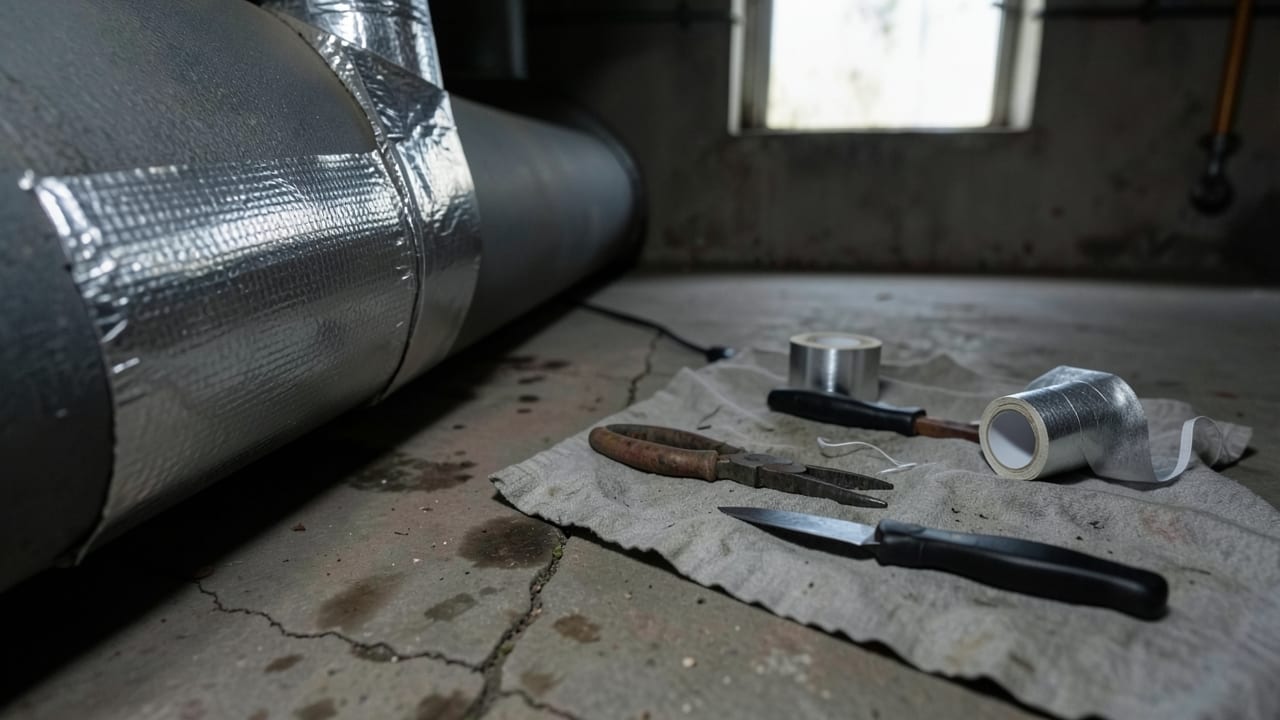
Ductwork Repair
Repairing or sealing damaged air ducts to restore HVAC efficiency and airflow.
In Manhattan’s dense housing, ductwork repair is essential for maintaining airflow efficiency and indoor air quality. Over time, leaks, disconnections, or crushed sections in HVAC ducts can force your system to work harder, raising energy costs and circulating dust or allergens.
A thorough repair restores proper airflow, ensuring conditioned air reaches every room without loss or contamination—critical for older buildings where ductwork may deteriorate faster due to age or poor insulation.
We also handle Ductwork Inspection and Blower Motor Cleaning for Manhattan properties.
Signs your ductwork needs repair
Visible dust puffs when your HVAC first turns on, or dust settling unevenly—faster near supply vents—often signals leaks or disconnected sections releasing trapped debris.
A stale, musty odor that fades once the system shuts off points to biological growth or moisture buildup inside ducts, while gray film or rapid dust buildup at registers suggests blockages or deterioration behind the grille.
Aggressive brushing during cleaning can worsen loose connections, especially in flexible ducting, redirecting airflow into walls or attics. Skipping register sealing during service lets dislodged dust spread throughout your home instead of being captured, undermining the entire process.
These issues are more common in older Manhattan buildings where ductwork may not have been updated since installation.
Common Ductwork Repair Indicators
- Dust puffs or uneven settling when HVAC runs (leaks or disconnected sections)
- Musty odor that disappears when system is off (biological growth or moisture)
- Gray film or rapid dust buildup at registers (blockages or deterioration)
- Increased energy bills without explainable cause (restricted airflow)
- Whistling or rattling noises from vents (loose or damaged duct sections)
What affects repair costs and timing?
Pricing varies widely based on whether the quote covers the entire duct system or just visible vents, and whether it includes mechanical agitation with HEPA extraction or a less thorough method.
A flat-rate price for a whole-house repair typically ranges from $1,500 to $5,000+, depending on duct length, accessibility, and whether the HVAC coils or blower are addressed. Register sealing and negative-pressure collection add time and cost but ensure debris isn’t redistributed into living spaces.
How quickly ducts recontaminate depends more on household habits—like changing air filters every 1–3 months—than the cleaning itself. Sealing gaps at register boots or duct joints prevents outside dust from entering between services.
In Manhattan’s older homes, dust buildup can accelerate due to unsealed attics or basements, making proactive sealing a key part of long-term airflow maintenance.
What’s actually done during a repair?
A repair isn’t just about cleaning—it’s about restoring structural integrity. Inspections use cameras to pinpoint leaks, crushed sections, or disconnected joints before any work begins. Registers are sealed off to contain debris during agitation, which uses rotary brushes or compressed air to knock loose compacted dust from duct walls.
HEPA vacuums then extract the material, preventing it from recirculating into your home.
After cleaning, airflow is verified at multiple registers to confirm improvements. Skipping this step means you might not know if the repair actually fixed circulation issues or just moved dust around.
In Manhattan’s older buildings, flexible ducting is especially prone to disconnections during agitation, so careful reassembly is critical to avoid redirecting airflow into walls.
Bundled add-ons like UV-light treatments or biocides can create moisture issues if not properly dried afterward, promoting new microbial growth. Pressure to upsell during the visit often hides less thorough work—always ask for an itemized quote upfront to compare apples to apples.
How ductwork repair works
A repair focuses on fixing structural issues to restore airflow and prevent debris circulation.
- 1Inspection with Camera or Mirror
A technician uses a camera or flexible mirror to examine supply and return ducts for leaks, gaps, or crushed sections. This identifies where airflow is restricted or debris is concentrated before any cleaning equipment is deployed.
- 2Sealing Registers and Containing Debris
All registers not being worked on are sealed off, and a negative-pressure collection unit is connected to the system. This ensures dislodged dust is pulled into the HEPA-filtered collection system instead of blowing into rooms through open vents.
- 3Mechanical Agitation to Loosen Debris
Rotary brushes or compressed-air whips are run through each duct section to knock built-up dust off the walls. This step is critical because suction alone can’t remove dust that’s compacted over years.
- 4HEPA Vacuum Extraction
The dislodged material is captured by a HEPA-filtered vacuum, preventing fine particulate from escaping back into the living space. This is more effective than shop-vac methods, which often leave residue behind.
- 5Airflow Verification
After reassembly, airflow is checked at several registers to confirm improvements. This step ensures the repair actually enhanced circulation rather than just redistributing dust within the ducts.
Frequently asked questions
How do I know if my ductwork repair actually worked?
Look for reduced dust puffs when the HVAC starts, more even airflow across rooms, and no rapid resettling of dust on surfaces. A before-and-after camera inspection can also show whether debris was removed from critical sections. If dust reappears quickly near specific vents, it may indicate a leak or disconnected section that wasn’t fully repaired.
Will sealing gaps in my ducts help between cleanings?
Yes. Gaps at register boots or duct joints let dust from attics, basements, or crawl spaces enter the system between services. Sealing these with metal tape or mastic can significantly slow recontamination, especially in older Manhattan buildings where ductwork may not be fully insulated.
Can I do anything to prepare my home for ductwork repair?
Move small furniture or decor away from vents to allow easy access. Vacuum registers and return grilles beforehand to reduce surface dust. If you have pets, groom them a few days before to minimize shedding into the system. Clear pathways to the HVAC unit or main duct trunk if accessible.
Why does my musty smell come back after cleaning?
Musty odors often return if moisture or biological growth remains in damp sections of the ductwork. A repair focuses on structural fixes, but if mold or mildew is present, a targeted treatment—like targeted drying or antimicrobial application—may be needed. Ask your technician to inspect for moisture traps during the initial camera check.
See Middletown, NY for more, or browse the air duct cleaning work we do around Manhattan by neighborhood for our complete lineup.
Ready to get started?
Talk to a local air duct cleaning pro in Manhattan — get a written quote.
Other Air Duct Cleaning Services in Manhattan
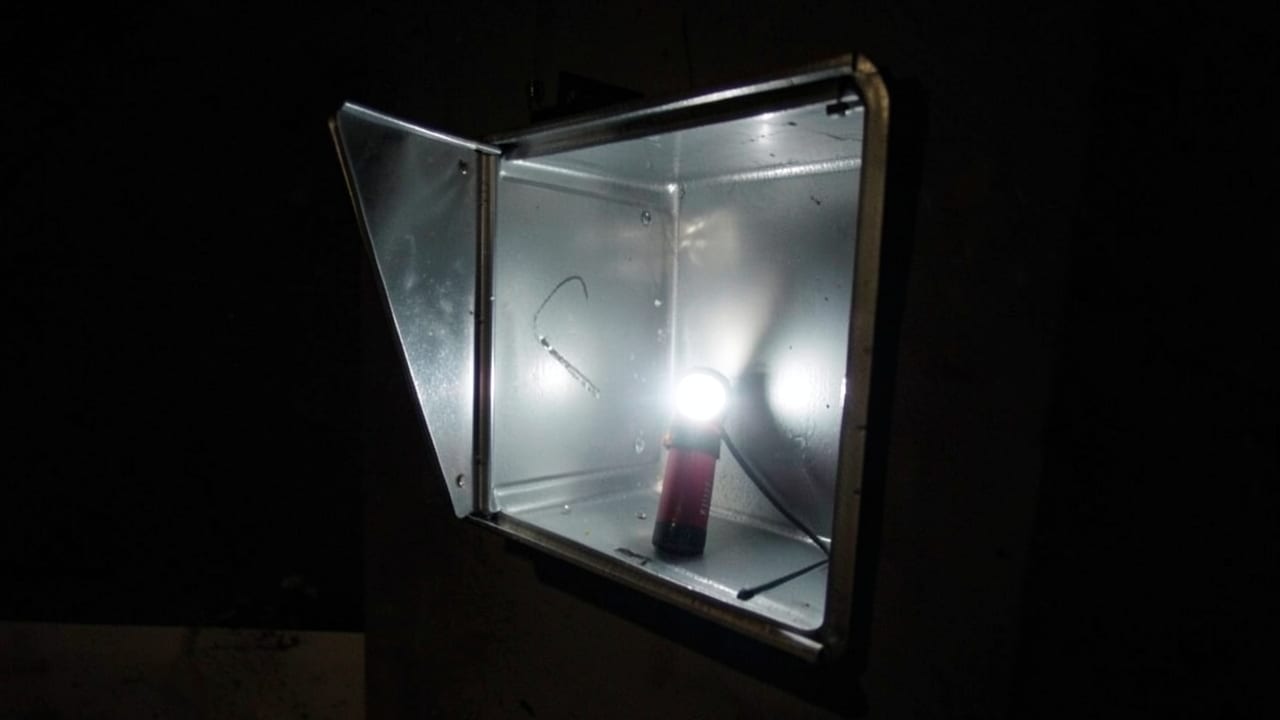
Ductwork Inspection in Manhattan, NY
Professional inspection of air ducts and HVAC systems to assess cleanliness and functionality.
Learn More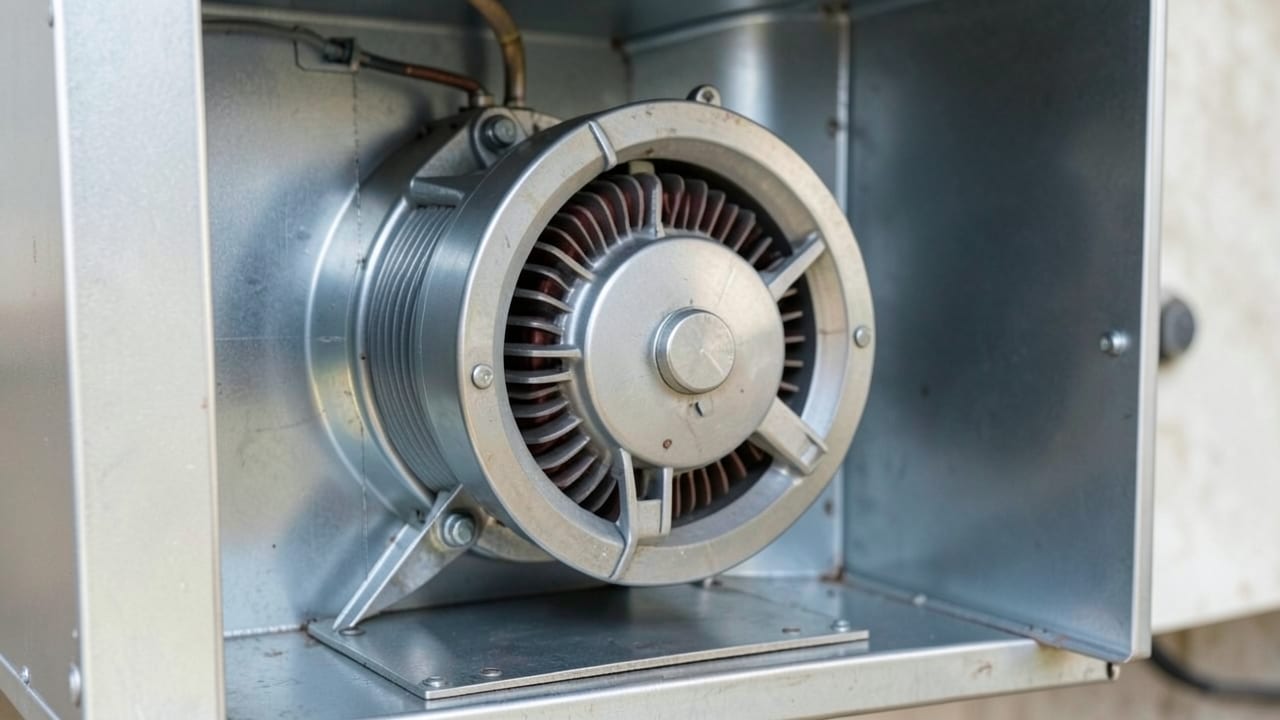
Blower Motor Cleaning in Manhattan, NY
Professional cleaning of the blower motor in HVAC systems to improve airflow and efficiency.
Learn More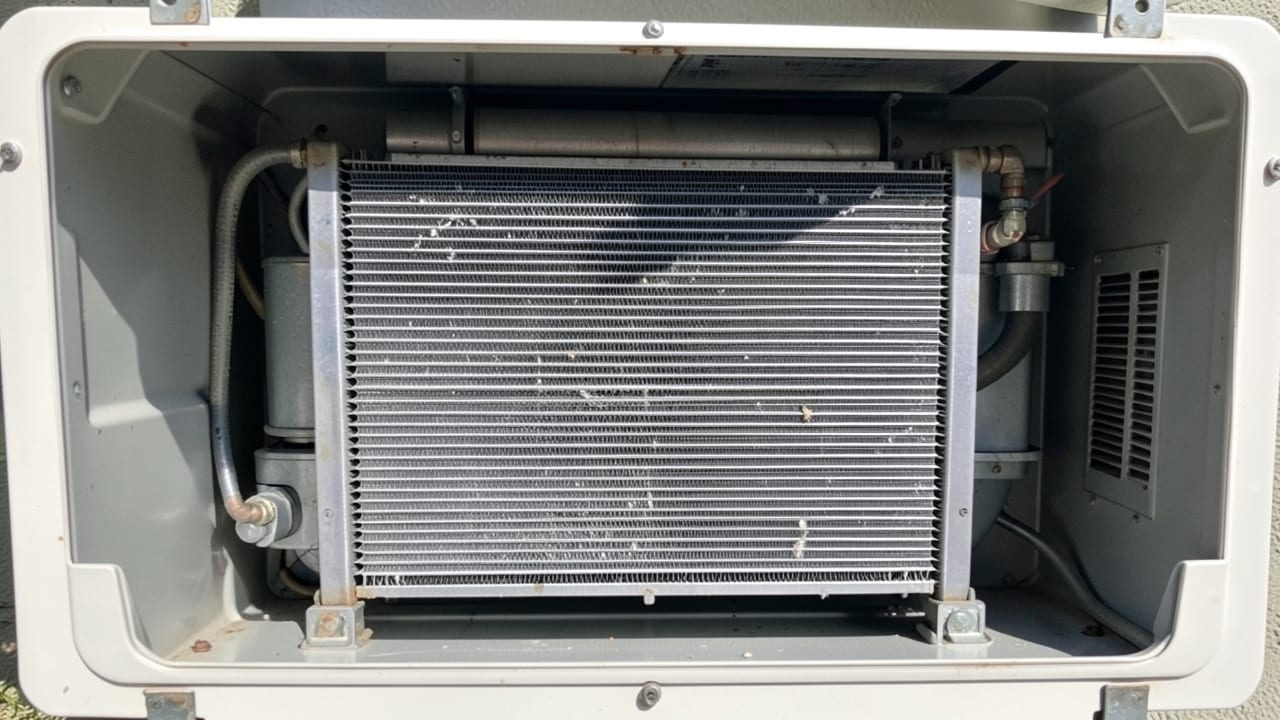
Evaporator Coil Cleaning in Manhattan, NY
Professional cleaning of HVAC evaporator coils to remove dirt, dust, and debris for improved airflow and efficiency.
Learn More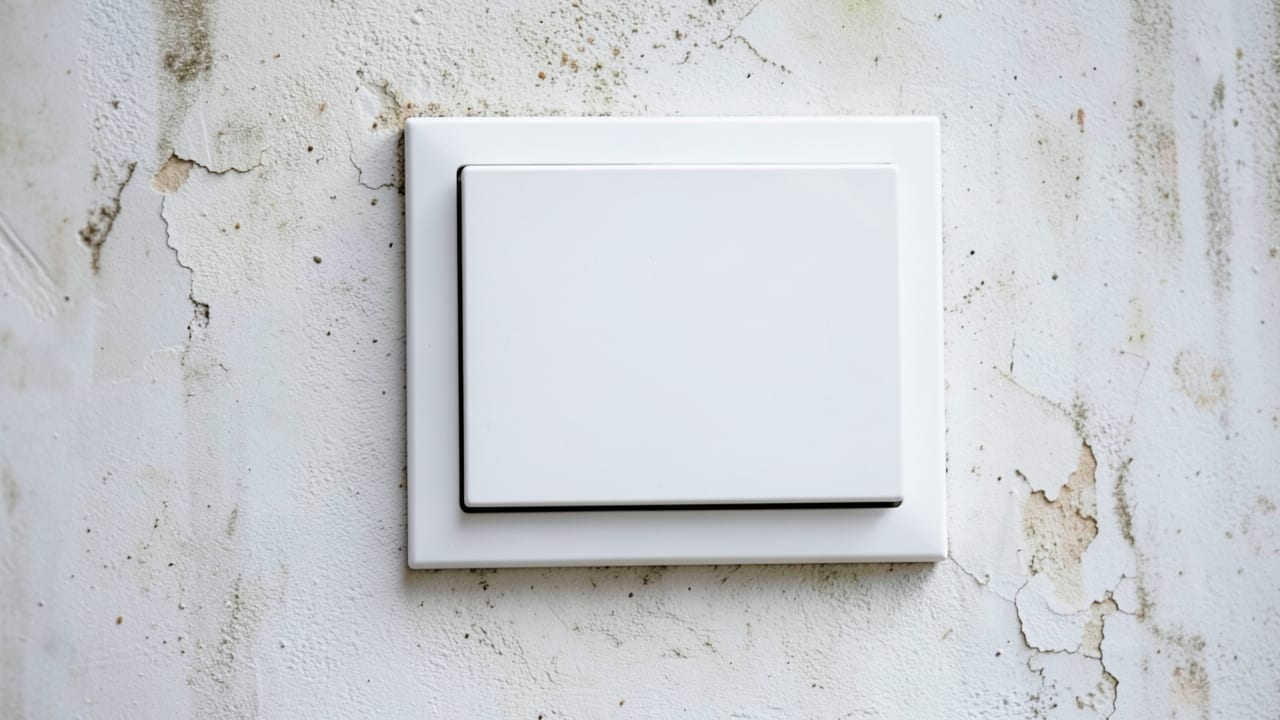
Vent Cover Cleaning in Manhattan, NY
Professional cleaning of vent covers to improve airflow and indoor air quality.
Learn More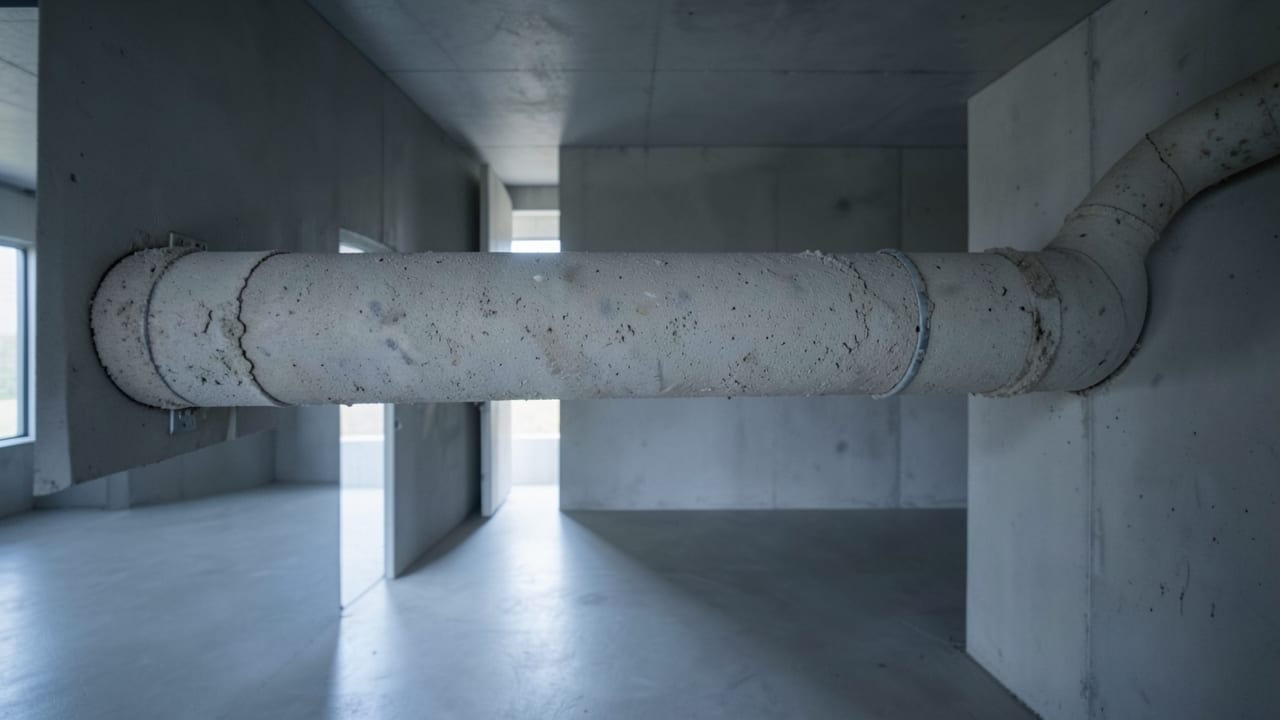
Concrete Duct Cleaning in Manhattan, NY
Professional cleaning of concrete ductwork to remove dust, debris, and contaminants from HVAC systems.
Learn More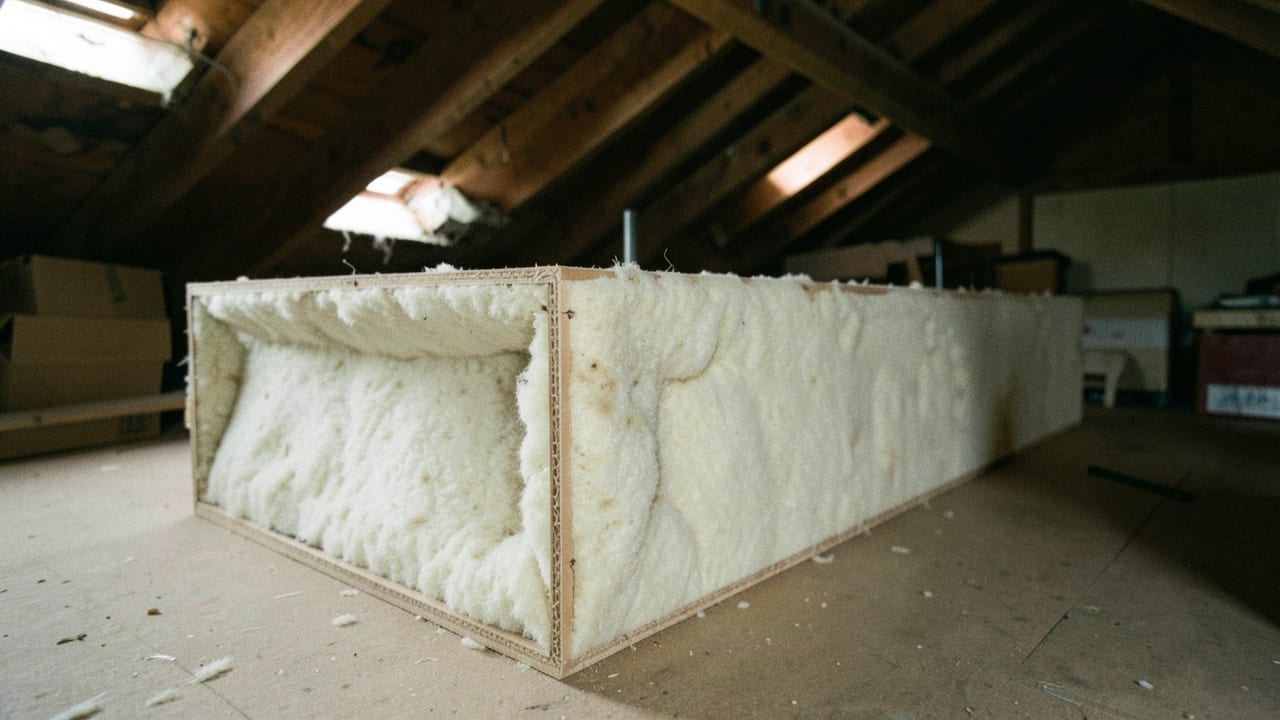
Fiberboard Duct Cleaning in Manhattan, NY
Professional cleaning of fiberboard HVAC ducts to remove dust, debris, and contaminants.
Learn MoreCommon Questions About Air Duct Cleaning in Manhattan
Everything you need to know about air duct cleaning services in Manhattan
How much does Ductwork Repair typically cost in Manhattan, NY?
What local factors get checked before recommending duct cleaning in Manhattan, NY?
Can duct cleaning damage older or fragile ductwork?
Does duct cleaning include the coils and blower compartment, or only the ducts themselves?
What's the real difference between flat-rate and per-vent air duct pricing?
How often should air ducts actually be cleaned?
Need Air Duct Cleaning in Manhattan?
Get a written quote from our Manhattan crew.
⏰ We answer your call • Serving all of Manhattan and surrounding areas